
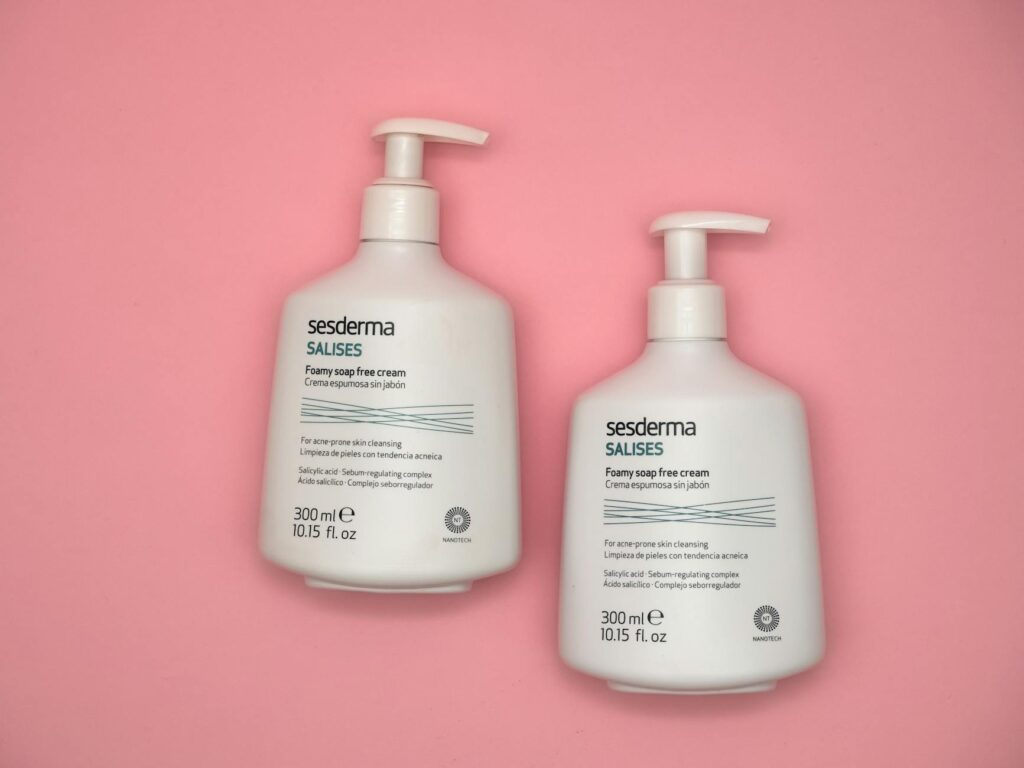
Finding the best moisturizer for acne-prone skin in 2026 can feel like a challenging quest. You need effective hydration without the dreaded breakouts. It’s a common struggle: you desire soft, supple skin, but every application of a cream seems to lead to new pimples or clogged pores. The good news? It is absolutely possible to find a moisturizer that hydrates without causing a breakout. The key lies in understanding your skin and choosing the right ingredients and formulations. (Source: ncbi.nlm.nih.gov)
Latest Update (April 2026)
Recent reviews highlight a growing emphasis on lightweight, non-comedogenic formulas, with experts and users alike seeking ingredients that support the skin barrier while actively calming inflammation. Trends also indicate a rise in interest for multi-functional products that offer hydration alongside acne-fighting benefits. As The New York Times recently reported on April 3, 2026, after considering numerous moisturizers, several standouts emerged for different skin types, underscoring the importance of tailored choices. People.com also noted on April 3, 2026, that after testing nearly 40 face moisturizers, their top picks for oily skin, which often overlaps with acne-prone concerns, started at just $12, reinforcing that effective options can be accessible.
What Exactly is a Moisturizer for Acne-Prone Skin?
A moisturizer for acne-prone skin is specifically formulated to provide hydration without clogging pores or triggering breakouts. These formulas are typically oil-free, lightweight, and packed with ingredients that support a healthy skin barrier while calming inflammation. The goal is to balance the skin’s moisture levels, which is essential even for oily or breakout-prone complexions.
Many individuals with acne mistakenly believe they should skip moisturizer altogether, thinking it will make their skin oilier or worse. However, this can actually backfire. When skin is dehydrated, it can overcompensate by producing more oil, leading to even more breakouts. A good moisturizer signals to your skin that it has enough hydration, helping to regulate oil production.
Featured Snippet Answer:
The best moisturizer for acne-prone skin in 2026 is a lightweight, oil-free, and non-comedogenic formula. Look for ingredients like hyaluronic acid and niacinamide that hydrate and calm inflammation without clogging pores. These moisturizers support a healthy skin barrier, essential for managing breakouts and preventing dehydration.
Key Ingredients to Look For (and Avoid!)
When scanning ingredient lists, some components are your best allies, while others might be detrimental.
Ingredients to Seek Out:
- Hyaluronic Acid: A humectant that draws moisture into the skin, providing hydration without greasiness.
- Niacinamide (Vitamin B3): Excellent for reducing inflammation, redness, and improving the skin barrier. It can also help regulate oil production.
- Ceramides: These are lipids naturally found in your skin barrier. Replenishing them helps strengthen the barrier and retain moisture.
- Glycerin: Another effective humectant that hydrates the skin.
- Dimethicone: A silicone that can create a smooth, protective barrier without feeling heavy. It’s generally considered non-comedogenic.
Ingredients to Generally Avoid:
- Heavy Oils (e.g., Coconut Oil, Shea Butter in high concentrations): While beneficial for dry skin, these can be too occlusive and clog pores for acne-prone types.
- Fragrance and Dyes: These are common irritants that can worsen inflammation and breakouts in sensitive or acne-prone skin.
- Alcohol (denatured alcohol): Can be very drying and strip the skin, leading to increased oil production and irritation.
- Lanolin: Some individuals find lanolin can clog pores.
How to Choose the Right Texture for Your Skin
The texture of your moisturizer matters just as much as its ingredients. For acne-prone skin, lighter is typically better.
- Gels and Gel-Creams: These are fantastic for oily or combination acne-prone skin. They are typically water-based, absorb quickly, and feel weightless on the skin, providing hydration without any greasy residue.
- Lotions: Slightly richer than gels, lotions offer a good balance of hydration and a lighter feel than creams. They are suitable for normal to combination acne-prone skin.
- Lightweight Creams: If your acne-prone skin also leans towards the drier or more sensitive side, a lightweight cream might be your best option. Look for formulas specifically labeled “oil-free” and “non-comedogenic.” These offer more emollience without the heaviness of traditional creams.
Avoid heavy, rich creams, balms, or ointments unless specifically recommended by a dermatologist for very dry, compromised skin, as these are more likely to clog pores. As reported by NBC News on April 2, 2026, trends like using beef tallow as a moisturizer are being examined by dermatologists, highlighting the ongoing search for effective yet skin-friendly solutions, and reinforcing the need for ingredients proven to be non-comedogenic for acne-prone skin.
Our Top Picks for the Best Moisturizer for Acne Prone Skin 2026
Based on recent reviews and expert recommendations, several moisturizers consistently stand out for their effectiveness on acne-prone skin. These products prioritize lightweight hydration, pore-friendly ingredients, and barrier support. As highlighted by The New York Times on April 3, 2026, identifying standout moisturizers for various skin types is key, and Allure’s recent coverage on November 15, 2025, titled “Your Acne-Safe Moisturizer Search Ends Here,” further emphasizes the importance of these targeted choices. Everyday Health also listed their top 10 moisturizers for acne-prone skin in February 2026, indicating continued focus on this category.
According to independent tests and user reviews, the following types of products are frequently recommended:
- Hydrating Serums followed by a Lightweight Gel: Many users find layering a hydrating serum (like one with hyaluronic acid) under a non-comedogenic gel moisturizer provides optimal hydration without heaviness.
- Oil-Free Gel-Creams with Niacinamide: These are praised for their ability to soothe redness and control oil while delivering essential moisture.
- Water-Based Lotions with Ceramides: Excellent for those needing a bit more moisture than a gel but still wanting a non-greasy feel. They help repair the skin barrier, which is often compromised in acne-prone individuals.
Common Mistakes to Avoid When Moisturizing Acne-Prone Skin
Even with the best intentions, some common missteps can hinder your progress.
- Skipping Moisturizer: As mentioned, this can lead to dehydration and increased oil production.
- Using Heavy or Comedogenic Products: Opting for rich creams or products with pore-clogging ingredients will likely worsen acne.
- Over-Washing or Over-Exfoliating: Stripping the skin can damage its barrier, making it more susceptible to irritation and breakouts. Always follow cleansing with a moisturizer.
- Not Patch Testing: New products, even those formulated for acne-prone skin, can sometimes cause unexpected reactions. Always patch test a new moisturizer on a small area before applying it to your entire face.
Integrating Moisturizer into Your Acne Skincare Routine
A moisturizer is a vital step in any acne-fighting regimen. Apply it after cleansing and any acne treatments (like salicylic acid or benzoyl peroxide) have been absorbed. For daytime, follow with sunscreen. At night, apply your chosen moisturizer after your evening treatments.
Frequently Asked Questions About Acne Moisturizers
Do I really need to moisturize if my skin is oily and acne-prone?
Yes, absolutely. Dehydrated skin can produce more oil to compensate, leading to clogged pores and breakouts. A lightweight, non-comedogenic moisturizer helps balance oil production and keeps your skin hydrated.
What does ‘non-comedogenic’ mean for moisturizers?
Non-comedogenic means a product has been formulated so it is less likely to clog pores. This is a critical factor for anyone with acne-prone skin.
Can moisturizers with SPF be good for acne-prone skin?
Yes, many moisturizers now combine hydration with broad-spectrum SPF. Look for oil-free, non-comedogenic formulas that won’t feel heavy or greasy on your skin. It’s a great way to get two essential steps in one.
What ingredients should I look for if my acne-prone skin is also sensitive?
For sensitive, acne-prone skin, prioritize fragrance-free formulas and ingredients like ceramides, hyaluronic acid, and niacinamide. Avoid alcohol and harsh fragrances. Gentle hydration is key to calming irritation and supporting the skin barrier.
How often should I apply moisturizer to acne-prone skin?
You should apply moisturizer at least twice a day: once in the morning after cleansing and any treatments, and again at night after your evening skincare routine. Consistent hydration is key for managing breakouts.
Conclusion
Selecting the best moisturizer for acne-prone skin in 2026 involves a careful consideration of ingredients, texture, and your skin’s specific needs. By prioritizing lightweight, non-comedogenic formulas rich in beneficial ingredients like hyaluronic acid and niacinamide, and by avoiding common pitfalls, you can effectively hydrate your skin, support its barrier function, and manage breakouts. Consulting resources like The New York Times and Everyday Health can provide further guidance on top-performing products tailored to your concerns.