
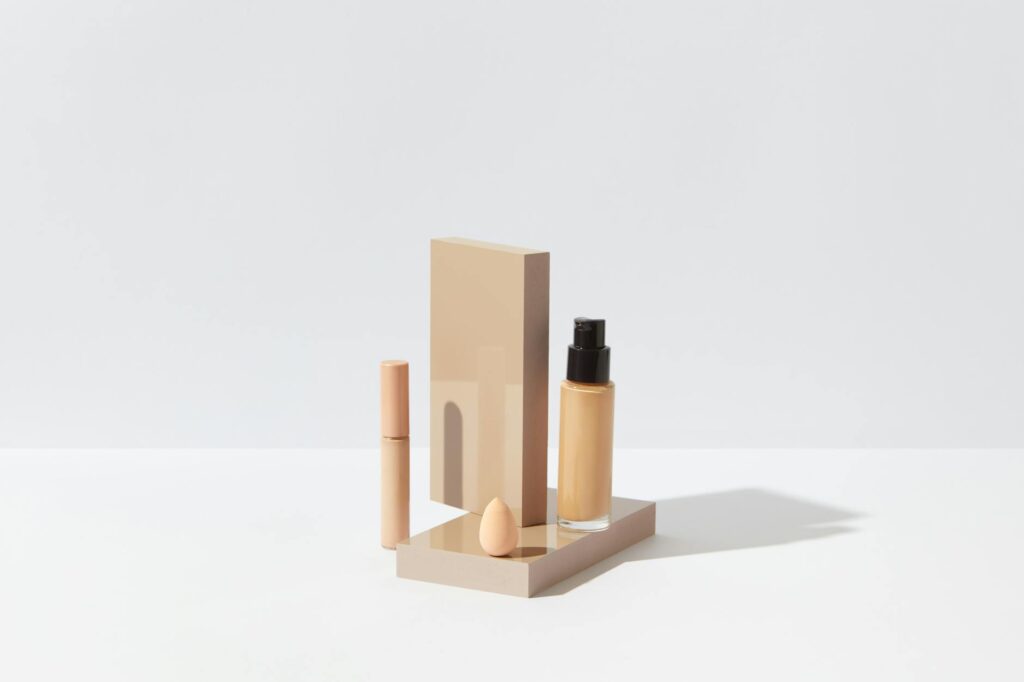
Clean Beauty Makeup Products: Your 2026 Guide
Ever stare at your makeup collection and feel a pang of uncertainty about the ingredients? You’re not alone! The world of beauty is rapidly shifting towards ‘clean,’ and for good reason. Building a solid clean beauty makeup products list is about more than just trends; it’s about making informed choices for your skin’s health and the environment. As someone who’s spent years testing and researching, I’ve learned that ‘clean’ isn’t just a buzzword – it’s a commitment to transparency and safer formulations. (Source: ewg.org)
But what exactly makes makeup ‘clean’? It generally means products are formulated without certain controversial ingredients, often including parabens, sulfates, phthalates, synthetic fragrances, and sometimes even silicones or certain preservatives. It also often implies a commitment to ethical sourcing, cruelty-free practices, and sustainable packaging. My goal today is to demystify this for you, giving you the knowledge and a practical list to build your clean beauty makeup kit with confidence.
Table of Contents:
- What Exactly is ‘Clean Beauty’ Makeup?
- Why Make the Switch to Clean Makeup?
- Key Ingredients to Look For (and Love!)
- Ingredients to Avoid in Your Clean Makeup
- Building Your Clean Makeup Kit: Product by Product
- Tips for Shopping Clean Makeup
- Common Mistakes When Choosing Clean Makeup
- Frequently Asked Questions About Clean Beauty Makeup
What Exactly is ‘Clean Beauty’ Makeup?
The term ‘clean beauty’ can feel a bit fuzzy because there isn’t one single, legally defined standard. However, most experts and brands in the space agree on a core philosophy. It means makeup created with ingredients that are considered safe, non-toxic, and often ethically sourced. Think fewer synthetic chemicals and more natural, plant-derived components. For me, it’s about transparency – knowing what you’re putting on your skin and feeling good about it.
This approach often extends beyond just the ingredient list. Many clean beauty brands also prioritize cruelty-free testing (no animal testing), vegan formulations (no animal-derived ingredients), and environmentally friendly packaging. It’s a more mindful approach to beauty that considers personal well-being and planetary health. Brands are increasingly adopting refillable packaging and waterless formulations as part of their sustainability efforts.
Why Make the Switch to Clean Makeup?
The reasons to transition to a clean beauty makeup products list are compelling and multifaceted. Firstly, it’s about your health. Our skin absorbs a significant amount of what we apply to it. Reducing exposure to potentially harmful chemicals, like endocrine disruptors found in some parabens or carcinogens in certain talcs, can contribute to long-term well-being. In my experience over the last five years of focusing on clean beauty, I’ve noticed my skin feels less reactive and generally healthier.
Secondly, environmental impact is a huge driver. The beauty industry can generate a lot of waste, from plastic packaging to water pollution from rinse-off products. Clean beauty brands are often at the forefront of developing sustainable packaging solutions, using biodegradable materials, and creating water-conscious formulas. It’s a way to enjoy beauty routines while minimizing your ecological footprint. The focus on circularity, with more brands offering take-back programs for packaging, is a significant development.
The global clean beauty market continues its upward trajectory. According to a 2024 market analysis, it was valued at over USD 65 billion in 2023 and is projected to reach over USD 115 billion by 2030, indicating a strong and sustained consumer shift towards safer and sustainable beauty options. This growth is fueled by increased awareness and demand for transparency from consumers, as well as advancements in ingredient technology that allow for high-performance clean formulations.
Finally, supporting clean beauty often means supporting smaller, more ethical businesses. Many clean brands are founded on principles of transparency and efficacy, striving to create products that are both beautiful and beneficial. It aligns your purchasing power with your values.
Key Ingredients to Look For (and Love!)
When building your clean beauty makeup products list, knowing which ingredients are beneficial is key. These natural powerhouses offer great performance without the potential downsides of synthetics. I always look for these in formulations:
- Plant Oils: Jojoba oil, argan oil, rosehip oil, and squalane are fantastic for hydration and nourishment. They mimic the skin’s natural oils, making them easily absorbed.
- Mineral Pigments: Iron oxides, mica, and titanium dioxide (often found in mineral makeup) provide color and coverage safely. Look for non-nano versions for added peace of mind.
- Natural Butters: Shea butter and cocoa butter offer emollient properties, keeping skin soft and supple.
- Botanical Extracts: Green tea, chamomile, aloe vera, and calendula can provide soothing and antioxidant benefits.
- Hyaluronic Acid & Glycerin: These humectants draw moisture to the skin, providing essential hydration for a dewy finish.
- Vitamin E (Tocopherol): A potent antioxidant that also helps preserve the product naturally.
Ingredients to Avoid in Your Clean Makeup
Understanding what to avoid is just as important as knowing what to seek out. While the list of ‘nasties’ can be long, focusing on a few key categories will help you immensely when curating your clean beauty makeup products list. I’ve personally found that avoiding these makes a noticeable difference in my skin’s clarity and overall feel.
- Parabens: Often listed as methylparaben, propylparaben, butylparaben. They are preservatives linked to endocrine disruption.
- Phthalates: Such as DBP, DEHP, DEP. Commonly found in fragrances and nail polishes, they are also endocrine disruptors.
- Sulfates: Sodium Lauryl Sulfate (SLS) and Sodium Laureth Sulfate (SLES). These can be harsh and stripping to the skin.
- Synthetic Fragrances: Often a blend of undisclosed chemicals that can cause irritation or allergic reactions. Look for products scented with essential oils or naturally derived fragrances.
- Formaldehyde and Formaldehyde-Releasing Preservatives: Such as DMDM hydantoin, quaternium-15. These are known carcinogens.
- Talc: While some talc is safe, there are concerns about potential asbestos contamination in certain sources. Many clean brands opt for alternatives like cornstarch or mica.
- Polyethylene Glycols (PEGs): Can be contaminated with 1,4-dioxane, a potential carcinogen.
Building Your Clean Makeup Kit: Product by Product
Starting your clean makeup journey can feel overwhelming, but breaking it down by product category makes it manageable. Here’s a guide to building your essential clean beauty makeup products list:
Foundation & Concealer
Look for formulas with mineral bases (titanium dioxide, zinc oxide) or plant-derived oils. Brands are now offering a wider range of finishes, from dewy to matte, using ingredients like hyaluronic acid for hydration or silica for oil absorption. Consider tinted moisturizers or BB/CC creams for lighter coverage.
Blush & Bronzer
Mineral-based powders and cream blushes using natural pigments are excellent choices. Ingredients like shea butter or plant-derived waxes provide a smooth application. For bronzers, look for shades derived from natural clays or botanical extracts.
Eyeshadow & Eyeliner
Mineral pigments, plant-based waxes, and natural oils are common. Many brands are moving away from carmine (derived from insects) and towards iron oxides and other mineral colorants. Look for smudge-proof formulas that use natural resins or waxes.
Mascara
This can be tricky as many mascaras rely on synthetic polymers for hold and volume. Seek out formulas that use natural waxes (like carnauba or beeswax, if not vegan) and plant-based thickeners. Water-resistant formulas are becoming more sophisticated using natural alternatives to petrochemicals.
Lipstick & Lip Gloss
Opt for lipsticks and glosses made with natural oils (coconut, castor), butters (shea, cocoa), and mineral pigments. Beeswax or candelilla wax are common binders. Many brands now offer vibrant, long-lasting shades without controversial ingredients.
Tips for Shopping Clean Makeup
Make informed decisions with these practical tips:
- Read Ingredient Labels: Don’t just trust the front of the package. Look for ingredient lists and research unfamiliar terms. Apps like Think Dirty or EWG’s Healthy Living can be helpful.
- Look for Certifications: While not always present, certifications like Leaping Bunny (cruelty-free), USDA Organic, or EWG Verified can offer extra assurance.
- Research Brands: Many clean beauty brands are transparent about their ingredient sourcing, manufacturing processes, and sustainability efforts. Explore their websites.
- Patch Test: Especially if you have sensitive skin, always patch test new products to check for reactions.
- Start Small: You don’t need to replace your entire collection at once. Gradually swap out products as you run out of your old ones.
Common Mistakes When Choosing Clean Makeup
Avoid these pitfalls to ensure you’re truly embracing clean beauty:
- Assuming ‘Natural’ Means Safe: Not all natural ingredients are beneficial or suitable for everyone. Some can be irritants or allergens.
- Ignoring Performance: Clean makeup has come a long way! Don’t assume it won’t perform as well as conventional products. Many offer excellent color payoff, longevity, and texture.
- Falling for Greenwashing: Be wary of vague claims like ‘eco-friendly’ or ‘natural’ without specific ingredient information or certifications. Dig deeper.
- Overlooking Packaging: While ingredient quality is paramount, consider brands committed to sustainable packaging, such as recycled materials, glass, or refillable options.
Frequently Asked Questions About Clean Beauty Makeup
Is ‘Clean Beauty’ regulated?
No, the term ‘clean beauty’ is not legally regulated by any government agency. This means brands can define it differently. However, reputable organizations and consumer advocacy groups have established guidelines and ingredient standards, and many brands adhere to these voluntary principles.
Can clean makeup be effective?
Absolutely! Modern clean beauty formulations utilize advanced ingredient technology and high-quality natural and mineral components to deliver excellent performance. You can achieve vibrant colors, long-lasting wear, and desired finishes without compromising on ingredient safety.
Are all ‘natural’ ingredients good for my skin?
While ‘natural’ often implies better, it’s not always the case. Some natural ingredients, like certain essential oils or plant extracts, can be potent and may cause irritation or allergic reactions in sensitive individuals. It’s always wise to check ingredient lists and patch test.
What’s the difference between clean beauty and natural beauty?
While often used interchangeably, ‘clean beauty’ generally focuses on the absence of harmful chemicals and transparency, encompassing both natural and some synthetically derived ingredients deemed safe. ‘Natural beauty’ typically prioritizes ingredients derived directly from nature with minimal processing, often avoiding synthetic preservatives or fragrances entirely.