
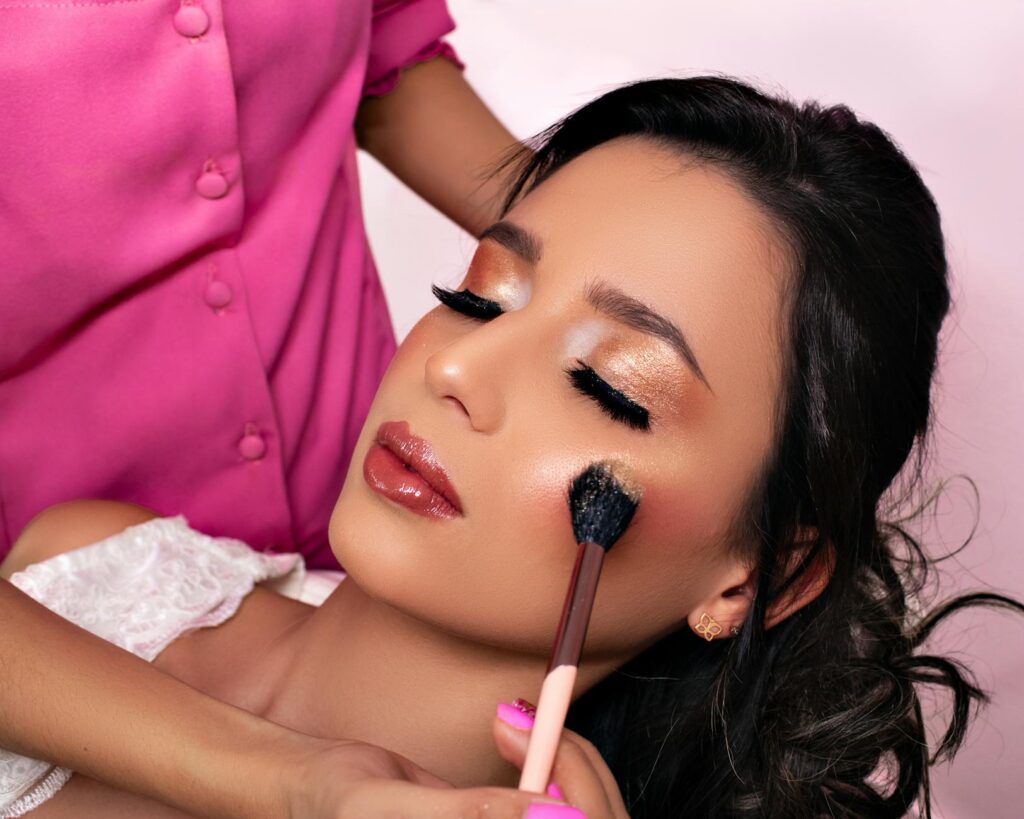
Dewy Skin Makeup Tutorial: Glow Up Now!
Ever scroll through Instagram and wonder how some people *just* seem to have that naturally radiant, almost wet-looking skin? You know the vibe – dewy, plump, and impossibly fresh. Well, I’ve spent years chasing that ethereal glow, and I’m thrilled to share that it’s totally achievable with the right techniques and products. This isn’t about heavy, cakey makeup; it’s about enhancing your natural beauty to create a luminous, healthy-looking complexion that shines from within.
Forget dull, matte finishes. We’re diving headfirst into the world of dewy skin makeup, a trend that’s less about covering up and more about celebrating your skin’s natural radiance. Whether you’re a makeup novice or a seasoned pro, this guide will equip you with the knowledge to master the dewy look. Get ready to glow!
Table of Contents
- Prep Your Canvas: The Skincare Foundation
- Choosing the Right Primer for a Dewy Base
- Dewy Foundation Application Techniques
- Strategic Concealing for a Natural Look
- Embrace Cream and Liquid Formulas
- Mastering the Art of Highlighter Placement
- To Set or Not to Set? Dewy Skin Secrets
- Achieving the Final Dewy Skin Glow
- Frequently Asked Questions About Dewy Skin
Prep Your Canvas: The Skincare Foundation
The secret to dewy skin makeup isn’t just in the makeup itself; it starts with your skincare. A well-hydrated base is non-negotiable. Before you even think about foundation, ensure your skin is prepped. This means cleansing thoroughly to remove any impurities, followed by a hydrating serum and a rich moisturizer. On days when my skin feels particularly dry, I love to use a facial oil before my moisturizer. It makes a world of difference in how smoothly foundation applies and how luminous my skin looks.
Choosing the Right Primer for a Dewy Base
Primer is your best friend when aiming for a dewy finish. Skip the mattifying formulas and opt for illuminating or hydrating primers. These often contain light-reflecting particles that give your skin an instant boost of radiance. I’ve tested countless primers, and those with a slightly tacky finish tend to grip makeup better, ensuring longevity without sacrificing that fresh look. Look for ingredients like hyaluronic acid or glycerin, which help draw moisture to the skin.
When I first started experimenting with dewy makeup, I mistakenly used a silicone-heavy smoothing primer, thinking it would create a flawless base. Instead, it made my foundation look heavy and flat. The switch to a hydrating, illuminating primer was a game-changer. It created a subtle sheen that peeked through my foundation, giving that sought-after natural glow.
Dewy Foundation Application Techniques
The foundation you choose and how you apply it are critical. For a dewy look, steer clear of heavy, full-coverage matte foundations. Instead, opt for light-to-medium coverage formulas like tinted moisturizers, BB creams, CC creams, or liquid foundations with a radiant or satin finish. These allow your natural skin texture to show through while providing a veil of evenness.
Application is key. Instead of using a dense brush that can buff makeup into the skin too heavily, try a damp beauty sponge or your fingertips. Gently stipple or press the foundation into the skin, focusing on areas where you need the most coverage and blending outwards. The goal is to sheer out the product, letting your skin breathe and shine. I often mix a drop of facial oil or a liquid illuminator into my foundation for an extra dose of glow.
Strategic Concealing for a Natural Look
Concealer is for targeted coverage, not for creating a mask. Apply it only where absolutely necessary – under the eyes to brighten, around the nose if redness is an issue, or on any blemishes. Use a hydrating or creamy concealer formula that blends seamlessly. A common mistake is to use a matte, full-coverage concealer everywhere, which can look heavy and counteract the dewy effect.
When I’m going for a super dewy look, I often use a concealer that’s just one shade lighter than my foundation under my eyes. I tap it in gently with my ring finger or a small sponge. For blemishes, I prefer a concealer that matches my skin tone exactly and use a tiny brush to apply it precisely, then blend the edges. This ensures the coverage looks natural and doesn’t create a noticeable patch.
Embrace Cream and Liquid Formulas
Powders can often mattify the skin and settle into fine lines, which is the opposite of what we want for a dewy finish. Instead, reach for cream or liquid formulations for your blush, bronzer, and even highlighter. Cream blush melts into the skin, giving a natural flush that looks like it’s coming from within. Liquid bronzers can add warmth and dimension without looking powdery.
When I first tried cream blush years ago, I was hooked. It’s so forgiving and blends effortlessly. For a dewy look, I apply it to the apples of my cheeks and blend upwards towards my temples. It gives that healthy, just-been-for-a-run flush. Similarly, cream contour sticks or liquid bronzers are fantastic for subtly sculpting the face. Applying them sparingly and blending well is key.
Mastering the Art of Highlighter Placement
Highlighter is essential for a dewy makeup look, but placement is crucial. You want to highlight the high points of your face where light naturally hits. Think the tops of your cheekbones, the bridge of your nose, your cupid’s bow, and a touch on the brow bone. Cream or liquid highlighters are generally best for a dewy finish as they blend seamlessly into the skin.
Avoid glittery highlighters; opt for formulas with a subtle sheen or pearlized finish. Applying highlighter with your fingertips allows the warmth of your skin to melt the product in, creating a more natural, lit-from-within effect. A common mistake is applying highlighter too low on the cheek, which can make the skin look oily rather than dewy. Stick to the highest points!
Achieving dewy skin makeup involves hydrating your skin thoroughly, using illuminating primers and light-coverage foundations, and opting for cream or liquid formulas for blush and highlighter. Strategic placement of these products on the face’s high points enhances your natural radiance for a luminous, healthy glow that looks effortlessly fresh and hydrated.
To Set or Not to Set? Dewy Skin Secrets
This is where many people get confused. Traditional setting powders can kill the dewy vibe. However, completely skipping setting products might mean your makeup doesn’t last. My approach? Be strategic. If you have oily skin, use a very finely milled, translucent setting powder *only* in your T-zone (forehead, nose, chin) and under your eyes if needed. For most other areas, skip the powder entirely.
Instead of powder, consider a hydrating setting spray. Many formulas now contain ingredients that help meld makeup together, add a dewy finish, and prolong wear without drying out the skin. I find that a good hydrating setting spray can lock my makeup in place while maintaining that fresh, luminous quality throughout the day. I usually spray it on once after all my makeup is done.
Back in 2023, I had a client who was preparing for a photoshoot and wanted that signature ‘glass skin’ look. Her skin was naturally a bit dry, so we focused heavily on hydration. We used a rich, emollient moisturizer, a hydrating primer, and then a serum-infused foundation. Instead of powder, we used a dewy setting spray. The result was stunning – her skin looked incredibly plump and radiant under the studio lights, and the makeup lasted for hours without looking heavy or cakey.
Achieving the Final Dewy Skin Glow
To really amp up the dewiness, consider a touch of facial mist or a liquid highlighter applied sparingly over your foundation and blush. This adds an extra layer of luminosity. Remember, dewy skin is about looking healthy and hydrated, not greasy. It’s a delicate balance, but once you find it, you’ll be hooked.
A common mistake is going overboard with highlighter, making the skin look like a disco ball. Less is often more. You want a soft, diffused glow, not a harsh stripe. Experiment with different formulas and application methods to see what works best for your skin type and desired look. For instance, on drier skin days, I might use a cream highlighter, whereas on slightly oilier days, a liquid one patted in might be better.
According to a 2024 survey by Statista on beauty trends, “glowy” and “dewy” finishes continue to be highly sought after, with 73% of respondents indicating a preference for luminous makeup looks over matte finishes.
External research from the University of Manchester’s dermatology department highlights the importance of a healthy skin barrier for achieving a natural radiance, emphasizing hydration and gentle cleansing as key components. [EXTERNAL_LINK text=”Learn more about skin barrier health.”]
Frequently Asked Questions About Dewy Skin
Q: Can oily skin achieve a dewy makeup look?
Absolutely! For oily skin, focus on prepping with oil-controlling but hydrating products. Use a mattifying primer only in the T-zone, a lightweight, long-wearing foundation, and strategically apply cream or liquid highlighter. Finish with a setting spray designed for longevity and a natural finish, avoiding powder on the entire face.
Q: What’s the difference between dewy and oily skin?
Dewy skin looks hydrated, plump, and has a subtle, healthy sheen. Oily skin, however, appears shiny and can feel greasy, often with visible oiliness, especially in the T-zone. The goal of dewy makeup is to mimic natural hydration, not excess oil production.
Q: Should I use liquid or powder highlighter for a dewy look?
Liquid or cream highlighters are generally preferred for a dewy skin makeup tutorial. They blend more seamlessly into the skin, providing a natural, lit-from-within glow. Powder highlighters can sometimes look chalky or settle into texture, detracting from the desired dewy effect.
Q: How do I prevent my dewy makeup from looking greasy?
Prevent greasiness by balancing hydration with strategic powder application. Use a translucent powder *only* in your T-zone or areas prone to excess shine. Ensure your foundation isn’t too heavy and that your highlighter is applied sparingly to the highest points of the face for a glow, not a shine.
Q: What’s the best type of foundation for dewy skin?
Opt for foundations labeled as ‘radiant,’ ‘luminous,’ or ‘satin finish.’ Tinted moisturizers, BB creams, and CC creams are also excellent choices. These formulas provide buildable coverage while allowing your skin’s natural texture and luminosity to shine through, creating that coveted dewy appearance.
Ready to Glow?
Mastering the dewy skin makeup tutorial is all about embracing hydration, using the right products, and applying them strategically. It’s a beautiful way to enhance your natural radiance and achieve that coveted healthy, glowing complexion. Don’t be afraid to experiment with different techniques and find what makes your skin look and feel its best. Now go forth and shine!