Koriandri: Your Ultimate Guide to Understanding and Using It
The world of herbs is vast and flavorful, but few ingredients spark as much debate or offer such versatility as koriandri. Whether you know it as cilantro, coriander, or by its botanical name, Coriandrum sativum, this aromatic plant is a staple in kitchens worldwide. Its distinct taste can elevate simple dishes or become the star of a complex culinary creation. But beyond its culinary applications, koriandri offers a surprising array of health benefits and can even be grown in your own garden. This comprehensive guide will delve deep into everything you need to know about koriandri, from its history and flavor profile to practical tips for using it in your cooking and understanding its nutritional value. By the end, you’ll be a koriandri expert, ready to embrace its full potential.
Table of Contents
- Introduction to Koriandri
- What Exactly Is Koriandri?
- The Distinct Flavor Profile of Koriandri
- Koriandri in the Kitchen: Versatile Culinary Uses
- Surprising Health Benefits of Koriandri
- Growing Your Own Koriandri
- Koriandri vs. Cilantro: Understanding the Difference
- Maximizing Freshness: Storing Koriandri
- Expert Tip: Elevating Your Dishes with Koriandri
- Frequently Asked Questions About Koriandri
- Final Thoughts on Embracing Koriandri
Introduction to Koriandri
The first time many people encounter koriandri, they’re often struck by its unique aroma and taste. It’s an ingredient that divides opinions; some adore its bright, citrusy notes, while others find it soapy and unpleasant. This polarization is a testament to its potent flavor. In my years exploring global cuisines, I’ve found that understanding koriandri is key to unlocking a new level of culinary appreciation. It’s more than just a garnish; it’s a foundational element in countless dishes, from vibrant salsas to aromatic curries. This guide aims to demystify koriandri, providing you with the knowledge to confidently use it and appreciate its multifaceted nature.
What Exactly Is Koriandri?
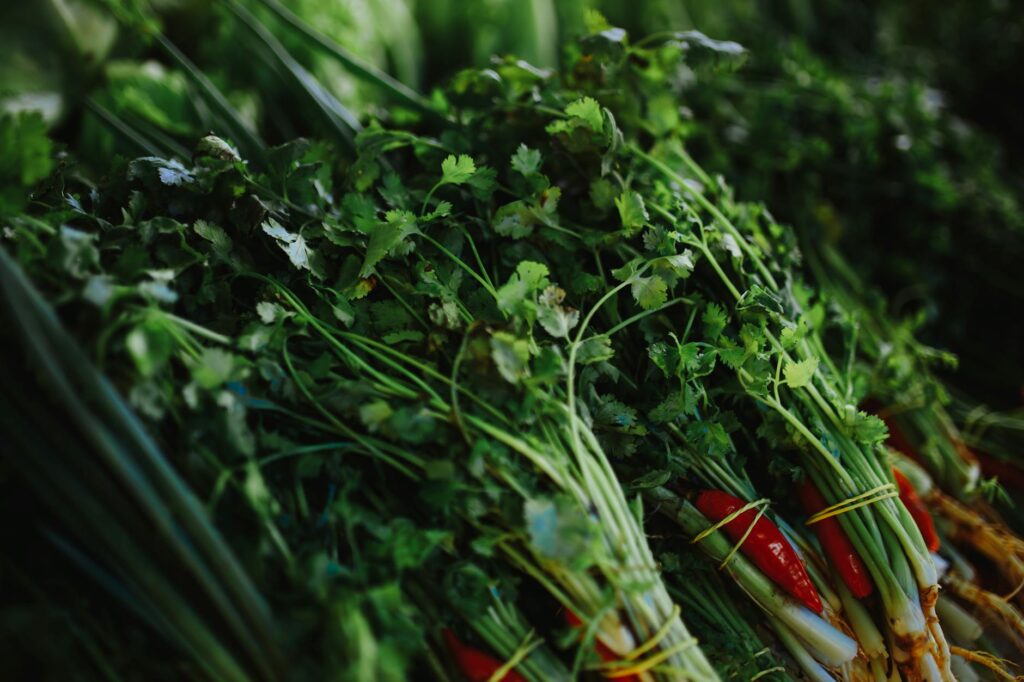
Koriandri, scientifically known as Coriandrum sativum, is an annual herb in the family Apiaceae. It’s native to regions spanning from Southern Europe and North Africa to Southwestern Asia. This plant is unique because it’s cultivated for two distinct culinary components: its leaves and its seeds. The leaves, often called cilantro, are bright green, feathery, and possess a fresh, pungent aroma. The seeds, when dried, are small, round, and have a warm, citrusy, and slightly nutty flavor, often used as a spice.
The plant itself grows to about 20-60 cm (8-24 inches) tall, with delicate, branched stems and finely divided leaves. It produces small white or pale pink flowers in clusters, which eventually develop into the characteristic round seeds. Historically, koriandri has been used for centuries, not only for its culinary contributions but also for its medicinal properties, mentioned in ancient texts as far back as 5000 BC.
Understanding that koriandri refers to the entire plant, with distinct uses for its leaves and seeds, is fundamental. This duality makes it a truly remarkable ingredient in the world of gastronomy. Its global presence is evident in cuisines ranging from Mexican and Indian to Thai and Middle Eastern, showcasing its adaptability.
The Distinct Flavor Profile of Koriandri
The flavor of koriandri is what truly sets it apart, and it’s also the source of its polarizing reputation. The leaves (cilantro) offer a bright, fresh, and citrusy taste, often described as herbaceous with a slight peppery bite. Some individuals, due to a genetic variation (specifically a particular olfactory receptor gene, OR6A2), perceive the leaves as tasting soapy. This genetic trait affects how they process the aldehyde compounds present in the herb.
On the other hand, the dried koriandri seeds possess a completely different flavor profile. They are warm, earthy, slightly sweet, and citrusy, with notes that can be reminiscent of orange peel, sage, and thyme. When toasted, the seeds release a more intense, nutty aroma and flavor, making them a popular spice in many cuisines. The transformation from fresh leaves to dried seeds is quite dramatic, highlighting the plant’s complex chemical composition.
I recall in my early culinary explorations, I was firmly in the ‘soapy’ camp regarding cilantro. However, after experimenting with it in various dishes, particularly in slow-cooked curries where the seeds were toasted and ground, and in fresh salsas where the leaves were finely chopped, my palate began to adapt. The key, I discovered, was understanding how to use each part appropriately and in balance with other ingredients. This nuanced appreciation is something I hope to impart to you.
Koriandri in the Kitchen: Versatile Culinary Uses
Koriandri’s applications in the kitchen are incredibly diverse, spanning across global cuisines. The fresh leaves, or cilantro, are most commonly used raw as a garnish or flavoring agent. They are indispensable in Mexican cuisine, forming the backbone of salsas, guacamole, and pico de gallo. In Indian cooking, finely chopped cilantro is often stirred into dishes just before serving, adding a burst of freshness to curries, dals, and vegetable preparations.
Thai and Vietnamese cuisines also heavily rely on cilantro. It’s a key ingredient in fresh spring rolls, noodle soups like pho, and various stir-fries. In the Middle East, you’ll find it in tabbouleh, hummus, and marinades for grilled meats. Its ability to cut through richness and add a vibrant counterpoint makes it invaluable.
The seeds, often referred to simply as coriander, are used whole or ground as a spice. They are a fundamental component of many spice blends, such as garam masala in India and curry powder. Ground coriander adds warmth and depth to stews, roasts, and baked goods. It pairs exceptionally well with cumin, turmeric, and ginger. Whole coriander seeds can be added to pickling brines, braising liquids, or toasted and ground fresh for maximum flavor impact.
Here’s a quick look at how different parts are used:
| Part of Koriandri | Common Uses | Flavor Profile |
|---|---|---|
| Leaves (Cilantro) | Salsas, guacamole, garnishes, salads, curries, soups, spring rolls | Fresh, citrusy, herbaceous, slightly peppery |
| Seeds (Coriander) | Spice blends, curries, stews, rubs, marinades, pickling, baked goods | Warm, earthy, citrusy, slightly sweet, nutty (when toasted) |
Surprising Health Benefits of Koriandri
Beyond its culinary appeal, koriandri has been recognized for its medicinal properties for centuries. Modern research is beginning to validate some of these traditional uses, revealing a host of potential health benefits associated with both the leaves and seeds.
Digestive Health: Coriander seeds, in particular, are known to aid digestion. They can stimulate appetite and help alleviate symptoms of indigestion, bloating, and gas. Compounds in coriander may help relax the digestive tract muscles and promote the secretion of digestive juices.
Antioxidant Properties: Both the leaves and seeds are rich in antioxidants, which help protect your body from damage caused by free radicals. These compounds can play a role in reducing the risk of chronic diseases and slowing down the aging process.
Blood Sugar Management: Some studies suggest that coriander may help lower blood sugar levels by increasing insulin production and improving insulin sensitivity. This makes it a potentially beneficial addition for individuals managing blood sugar levels.
Heart Health: The seeds might also contribute to heart health by helping to lower LDL (bad) cholesterol and increase HDL (good) cholesterol levels. They may also have a mild diuretic effect, which can help lower blood pressure.
Anti-inflammatory Effects: The various compounds found in koriandri possess anti-inflammatory properties that may help reduce inflammation throughout the body.
Antimicrobial Properties: Coriander has demonstrated antimicrobial activity against certain bacteria and fungi, contributing to its historical use in food preservation and treating infections.
A study published in the journal Food and Chemical Toxicology in 2011 found that coriander extract exhibited significant antioxidant and free radical scavenging activity, supporting its traditional use for various ailments.
It’s important to remember that while these benefits are promising, koriandri should not be considered a replacement for medical treatment. However, incorporating it regularly into your diet can be a delicious way to support your overall well-being.
Growing Your Own Koriandri
One of the most rewarding aspects of using koriandri is the ability to grow it fresh at home. It’s a relatively easy herb to cultivate, making it accessible even for novice gardeners. Koriandri prefers cooler weather and can bolt (go to seed) quickly in hot temperatures, so planting in spring or fall is often ideal.
Soil and Sunlight: Plant koriandri in well-draining soil in a location that receives full sun to partial shade. While it tolerates some shade, ample sunlight promotes better growth. The soil should be kept consistently moist but not waterlogged.
Sowing Seeds: You can sow seeds directly into the garden or start them indoors a few weeks before the last frost. Coriandri doesn’t transplant well due to its taproot, so direct sowing is often preferred. Sow seeds about 1/4 inch deep and 6-8 inches apart. Succession planting every 2-3 weeks can ensure a continuous harvest of fresh leaves.
Care and Harvesting: Water regularly, especially during dry spells. Once the plants are about 4-6 inches tall, you can begin harvesting the leaves. Snip off the outer leaves, being careful not to take too much from any single plant, to encourage continued growth. If you wish to harvest the seeds, allow the plant to flower and then go to seed. The seeds are ready to harvest when they turn brown and dry. Cut the stems and hang them upside down in a paper bag to catch the falling seeds.
Growing your own koriandri means you’ll always have the freshest leaves and seeds at your disposal, enhancing both your cooking and your gardening satisfaction. It’s a simple pleasure that yields delicious results.
Koriandri vs. Cilantro: Understanding the Difference
This is where much of the confusion arises. In many parts of the world, particularly North America, ‘cilantro’ refers exclusively to the fresh, green leaves of the Coriandrum sativum plant, while ‘coriander’ refers to its dried seeds. However, in other regions, like the UK and Australia, ‘coriander’ can refer to the entire plant, including the leaves.
To be precise:
- Cilantro: The common name for the leaves and stems of the Coriandrum sativum plant.
- Coriander: The common name for the dried seeds of the Coriandrum sativum plant. It can also refer to the entire plant in some regions.
- Koriandri: This term, often used in scientific or broader international contexts, generally refers to the entire plant, Coriandrum sativum, encompassing both leaves and seeds.
So, when a recipe calls for cilantro, it means the fresh leaves. When it calls for coriander, it most likely means the seeds (ground or whole), unless it’s specified as ‘fresh coriander leaves’ in a region where that terminology is common. Using the wrong part can dramatically alter the flavor of your dish. I learned this the hard way when I mistakenly used ground coriander seeds in a delicate ceviche meant for fresh cilantro – the result was overwhelmingly spicy and earthy, not bright and fresh!
The key takeaway is to pay attention to the context and regional naming conventions. In this guide, we use ‘koriandri’ as the overarching term for the plant, specifying ‘leaves’ (cilantro) or ‘seeds’ (coriander) when necessary for clarity.
Maximizing Freshness: Storing Koriandri
Proper storage is crucial for preserving the vibrant flavor and texture of fresh koriandri leaves (cilantro). Improper storage can lead to wilting, yellowing, and loss of aroma within a day or two.
For Fresh Leaves (Cilantro):
- Method 1 (Like a Bouquet): Trim about half an inch off the stems. Place the bunch in a glass or jar with about an inch of water, just covering the stem ends. Cover the leaves loosely with a plastic bag (like a produce bag) or a reusable silicone bag. Store in the refrigerator. Change the water every couple of days.
This method can keep cilantro fresh for up to 1-2 weeks. - Method 2 (Damp Paper Towel): Wash and thoroughly dry the leaves. Wrap them loosely in a slightly damp paper towel. Place the wrapped bundle inside a resealable plastic bag or an airtight container. Store in the refrigerator. This is best for shorter-term storage, typically 3-5 days.
For Coriander Seeds:
- Dried coriander seeds should be stored in an airtight container in a cool, dark, and dry place. Properly stored, they can retain their flavor for up to a year.
- For the most intense flavor, grind seeds just before use.
I personally find the ‘bouquet’ method for the leaves to be the most effective for maintaining freshness over a longer period, mimicking how herbs are often displayed in markets. It requires a little counter space in the fridge but is well worth the effort.
Frequently Asked Questions About Koriandri
What is the main difference between koriandri leaves and seeds?
Koriandri leaves, commonly known as cilantro, offer a fresh, citrusy, and herbaceous flavor best used raw or added at the end of cooking. Coriander seeds are the dried fruit of the plant, providing a warm, earthy, and slightly sweet spice profile when ground or used whole in cooked dishes.
Why do some people find koriandri (cilantro) taste like soap?
This soapy taste is primarily due to a genetic variation in olfactory receptors. Certain individuals possess a gene that makes them highly sensitive to the aldehyde compounds in cilantro, causing it to register as soapy rather than fresh and citrusy.
Can I substitute parsley for cilantro (koriandri leaves)?
While parsley can offer a fresh, green flavor, it lacks the distinctive citrusy and slightly pungent notes of cilantro. It can be a visual substitute and might work in some dishes, but it won’t replicate the unique taste of koriandri leaves.
How do I store fresh koriandri leaves to keep them from wilting?
To maximize freshness, treat fresh koriandri leaves like a bouquet of flowers: trim the stems and place them in a jar with water, then cover loosely with a plastic bag and refrigerate. This method can keep them vibrant for over a week.
Are coriander seeds and cumin the same?
No, coriander seeds and cumin are distinct spices. While both are common in Indian and Mexican cuisines and have earthy notes, coriander seeds are citrusy and milder, whereas cumin has a stronger, more pungent, and smoky flavor profile.
Final Thoughts on Embracing Koriandri
Koriandri, in its dual form as fresh leaves (cilantro) and aromatic seeds (coriander), is a truly remarkable ingredient. Its journey from ancient medicinal use to its indispensable role in modern global cuisines highlights its enduring appeal. Whether you’re captivated by its bright, zesty leaves or its warm, earthy seeds, there’s a place for koriandri in virtually every kitchen. By understanding its distinct flavor profiles, mastering its culinary applications, and even trying your hand at growing it, you can fully appreciate the versatility and benefits this humble herb offers.
Don’t let past dislikes deter you; sometimes, a change in preparation or a different context can alter your perception entirely. I encourage you to experiment, perhaps starting with toasted coriander seeds in a curry or a simple pico de gallo. You might just discover a new favorite flavor. Embrace the world of koriandri and let its vibrant essence enhance your culinary adventures.