Area Code 515: What You Need to Know Now
Area code 515 is a primary telephone area code in Iowa, serving the Des Moines metropolitan area and much of central Iowa. It was one of the original area codes for the state, established in 1947. If you’re looking to understand this important Iowa number, this guide breaks down its origins, current coverage, and what it means today.
What is Area Code 515 and Where is it Located?
Area code 515 is a geographic telephone area code that serves a significant portion of central Iowa. Its coverage includes the state capital, Des Moines, as well as surrounding cities and towns like Ames, Ankeny, Urbandale, and West Des Moines. Essentially, if you’re making a local call within this central Iowa region, you might be dialing a number that starts with 515. The code was part of the original numbering plan in 1947, making it one of the oldest area codes in the United States.
The geographic boundaries of area code 515 are well-defined, though they have seen adjustments. For decades, it was the sole area code for Des Moines and its surrounding suburbs. However, as the population grew and the demand for phone numbers increased, overlays and splits became necessary in many areas across the country, and Iowa was no exception. Understanding these changes is key to knowing the current reach of 515.
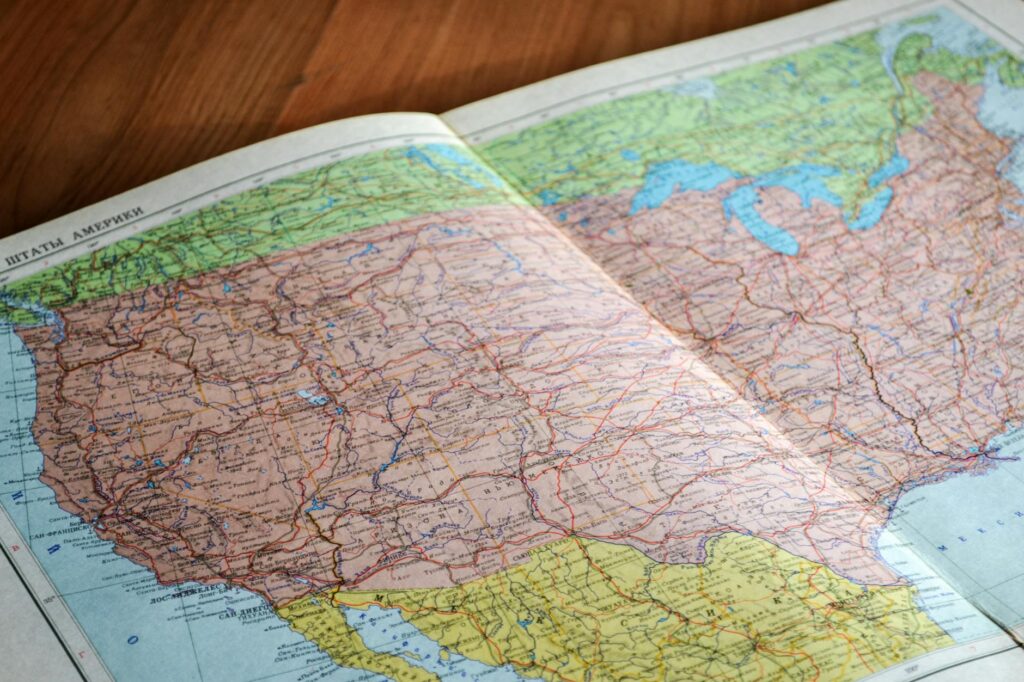
[IMAGE alt=”Map of Iowa showing area code 515 coverage” caption=”Area code 515 covers central Iowa, including Des Moines.”]
A Brief History of Area Code 515
When the North American Numbering Plan (NANP) was established in 1947, area code 515 was assigned to cover all of Iowa. Over time, as the state’s population centers grew and the demand for phone lines surged, the original single area code became insufficient. This led to the creation of new area codes through splits and overlays.
In 1995, a portion of the western part of the 515 territory was split off to create area code 712. This was a significant change, dividing the state into distinct numbering plans. Later, in 2000, the eastern part of the 515 territory was split to create area code 641. This further refined the geographic coverage of 515, solidifying its role as the primary code for the Des Moines metro and its immediate surroundings. These historical shifts are important for understanding why certain parts of Iowa use different codes today.
What Cities and Counties Does Area Code 515 Cover?
Area code 515 is a lifeline for a substantial portion of Iowa’s population and economy. It encompasses the bustling capital city of Des Moines, which is the largest city in Iowa by population. Beyond Des Moines, it also covers other significant urban and suburban centers, including Ames, a major hub for Iowa State University; Ankeny, a rapidly growing suburb; Urbandale; and West Des Moines.
The counties predominantly served by area code 515 include Polk County (where Des Moines is located), Story County (home to Ames), Dallas County, Warren County, Boone County, Hamilton County, Hardin County, Humboldt County, Jasper County, Marshall County, Poweshiek County, Sac County, and Webster County. This broad coverage highlights its importance to the economic and social fabric of central Iowa. The Iowa Utilities Board oversees the assignment of these codes within the state, ensuring efficient use of numbering resources.
🎬 Related Video
📹 area code 515 — Watch on YouTube
Understanding Area Code 515 in the Digital Age
In today’s hyper-connected world, area codes still play a role, but their significance has evolved. For businesses, having a local presence, often indicated by a familiar area code like 515, can be crucial for building trust and rapport with customers in that region. Many businesses in central Iowa use 515 numbers for their main lines, customer service, and direct dial (DID) numbers.
The rise of VoIP (Voice over Internet Protocol) and cloud-based communication systems has further blurred the lines. Companies can now easily obtain virtual phone numbers with any area code, including 515, regardless of their physical location. This allows businesses to project a local presence in Des Moines or Ames without necessarily having an office there. However, for local residents, a 515 number still strongly signifies a connection to the central Iowa community.
The demand for telephone numbers is a constantly evolving metric, influenced by population growth, the proliferation of mobile devices, and the expansion of business communication systems. Area code 515, like many others, is managed to ensure sufficient supply for current and future needs. (Source: North American Numbering Plan Administrator – NANPA)
Potential for Area Code 515 Overlays
As mentioned, area codes can become exhausted, meaning all available number combinations within that code are used up. When this happens, the North American Numbering Plan Administrator (NANPA) may decide to implement an overlay. An overlay adds a new area code that serves the same geographic region as the existing one.
This means that residents and businesses within the 515 area would eventually have to dial a 10-digit number (area code + local number) for all calls, even local ones, if an overlay were implemented. While there are no immediate plans for a 515 overlay announced by the Iowa Utilities Board or NANPA as of early 2026, it’s a possibility for any area code facing high demand. This has been a trend across the US for many growing metropolitan areas. The introduction of an overlay requires significant public education and system updates for telecommunication providers.
How to Identify Calls from Area Code 515
Identifying a call from area code 515 is usually straightforward: if the caller ID displays a number starting with “515,” the call is originating from or is associated with the central Iowa region. This is particularly true for landline numbers. However, as previously noted, number portability means a person who previously had a 515 number might now live in California but still use that number.
For businesses, especially those that rely on local clientele, having a 515 number can be a strategic advantage. Conversely, if you receive a call from an unknown 515 number, and it seems suspicious or unsolicited, it’s always wise to exercise caution. Be wary of requests for personal information or payment, as these could indicate a scam. The Federal Communications Commission (FCC) provides resources on how to identify and report potential phone scams.
Frequently Asked Questions
Is area code 515 in Des Moines?
Yes, area code 515 primarily serves the Des Moines metropolitan area, including Des Moines itself and its surrounding suburbs. It’s the main geographic area code for Iowa’s capital city and its immediate vicinities.
Is 515 a toll-free number?
No, area code 515 is a geographic area code for central Iowa and is not a toll-free number. Toll-free numbers typically start with prefixes like 800, 888, 877, 866, 855, 844, or 833.
What is the history of area code 515?
Area code 515 was established in 1947 as one of the original area codes for Iowa. It initially covered the entire state but has since been split to create other area codes like 712 and 641, refining its coverage to central Iowa.
Can I get a 515 number if I don’t live in Iowa?
Yes, due to number portability and the availability of VoIP services, you can often obtain a 515 phone number even if you do not physically reside in Iowa. This allows businesses to maintain a local presence.
What are the new area codes in Iowa?
While 515 is an original area code, Iowa has seen new codes added over time. For example, area code 464 was added as an overlay for the 515 region in 2023, meaning that all new numbers in the central Iowa region may be assigned 464, requiring 10-digit dialing for all calls. This is a significant recent development for area code 515 users.
The Future of Area Code 515
The telecommunications landscape is constantly changing. With the ongoing demand for phone numbers, particularly with the rise of the Internet of Things (IoT) devices and the continued growth of mobile usage, the lifespan of existing area codes is becoming shorter. The recent introduction of area code 464 as an overlay for 515 in 2023 is a clear indicator of this trend.
This overlay means that anyone getting a new phone number in the central Iowa region served by 515 will likely be assigned a 464 number. Consequently, all calls within this region, even local ones, will require 10-digit dialing (area code + seven-digit number). This is a critical update for residents and businesses operating within the 515 geographic area. Staying informed about these changes is essential for smooth communication. The 515 area code, while historical, continues to be a vital part of Iowa’s communication infrastructure, adapting to the demands of modern technology.
The area code 515 is a cornerstone of communication for central Iowa, representing the Des Moines metropolitan area and beyond. Understanding its history, current coverage, and the implications of recent overlays like 464 is crucial for residents, businesses, and anyone interacting with this region. As technology advances, area codes will continue to evolve, but their role in identifying geographic locations and fostering local connections remains significant.