
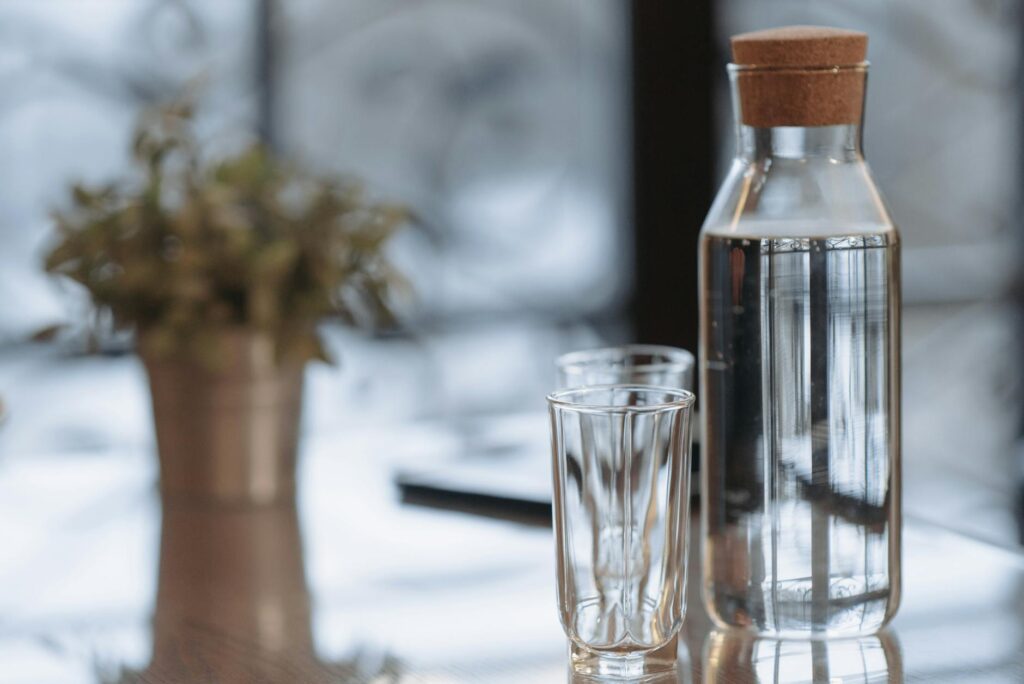
Caraf: Your Essential Guide
Latest Update (April 2026)
In recent months, the focus on stylish and functional serveware continues to grow, with a particular interest in items that enhance both everyday use and special occasions. As reported by Livingetc, specific glass carafes, like the one featured in Season 2 of ‘Nobody Wants This,’ have gained popularity, highlighting the aesthetic appeal of these vessels. Furthermore, with ongoing discussions around beverage presentation, carafs remain a top choice for serving everything from water to wine. As Bon Appétit noted in February 2025, cool water pitchers are essential for entertaining, a category where carafs excel. This article provides an updated look at why the caraf is an indispensable kitchenware staple in 2026.
What Exactly is a Caraf?
At its heart, a caraf is a vessel designed for holding and serving liquids, most commonly beverages like water, wine, juice, or iced tea. Think of it as a stylish pitcher or decanter, often made of glass, but sometimes crafted from other materials. Its primary purpose is to elevate your serving experience, making drinks more accessible and visually appealing at your table or in your kitchen. It’s a simple, yet effective tool that has been around for centuries for good reason.
In the world of kitchenware, the caraf remains a staple. It’s a versatile piece of serveware that enhances both daily hydration and special gatherings. Understanding the nuances of a caraf can make a surprising difference in how beverages are enjoyed.
Exploring the Different Types of Carafs
The world of carafs is surprisingly diverse, with designs tailored for specific uses:
- Wine Carafe/Decanter: Specifically designed for wine, these often feature a wide base to allow wine to breathe (aeration) and a long neck for easy swirling and pouring. Some include stoppers, while others remain open.
- Water Carafe: Typically larger, these are perfect for keeping water chilled on a bedside table, dining table, or in an office. Many come with integrated lids or stoppers to keep out dust and impurities. According to Bon Appétit’s February 2025 review of entertaining essentials, attractive water pitchers are key for hosting.
- Juice Carafe: Similar to water carafs, but often with a wider mouth to accommodate pulp or fruit pieces when serving fresh juice.
- Iced Tea Carafe: Usually tall and slender, designed to hold a good volume of iced tea and often feature a spout that prevents ice from falling into the glass.
- Office or Bedside Carafe: Smaller, more compact designs intended for personal use, often paired with a matching glass that can sit atop the caraf to keep it covered.
Materials also vary. While glass is most common due to its inert nature and aesthetic appeal, options also include BPA-free plastic (great for outdoor use or with children) or stainless steel (excellent for keeping beverages cold). As reported by Livingetc, specific glass carafes have recently gained attention for their visual appeal.
How to Best Use Your Caraf
Using a caraf is straightforward, but a few tips can enhance the experience. For wine, decanting allows sediment to settle and exposes the wine to air, which can soften tannins and release complex aromas, especially beneficial for older red wines. Users report that this process significantly improves the wine’s flavor profile.
For water or other beverages, a caraf offers a more elegant serving method. Pre-chilling the caraf in the refrigerator before filling it with cold water ensures an extra refreshing drink. Adding fruits, herbs, or ice cubes can further enhance flavor and visual appeal. When pouring, hold the caraf by the body or neck, tilting it gently for a smooth flow into your glass.
Important: Avoid pouring boiling hot liquids into a standard glass caraf. The sudden temperature change can cause the glass to crack. Opt for beverages that are warm or room temperature, or use a caraf specifically designed for hot liquids.
Keeping Your Caraf Sparkling: Cleaning and Maintenance
Proper cleaning is key to maintaining your caraf’s appearance and preventing odors or stains. For daily cleaning, a simple rinse with warm water and mild dish soap, followed by thorough drying, usually suffices. Use a bottle brush to reach the bottom and ensure all residue is removed.
For tougher stains or mineral deposits, white vinegar is a fantastic natural cleaner. Fill the caraf with a mixture of equal parts white vinegar and water, let it sit for a few hours or overnight, then scrub gently with a bottle brush and rinse thoroughly. For stubborn spots, try using uncooked rice or coarse salt as an abrasive. Add a tablespoon of rice or salt, a little warm water, and a drop of dish soap, then swirl vigorously. The grains will help scrub away residue. Rinse extremely well afterward.
According to the Glass Packaging Institute, glass is non-porous and does not react with liquids, making it an ideal material for food and beverage containers, ensuring purity of taste and easy cleaning.
Always air dry your caraf completely with the opening facing down on a drying rack to prevent water spots and mildew.
Caraf vs. Pitcher: What’s the Difference?
While the terms ‘caraf’ and ‘pitcher’ are often used interchangeably, there are subtle distinctions. A pitcher typically emphasizes function and volume, often featuring a larger handle and a wider spout for easy pouring of larger quantities, making it ideal for everyday use or serving crowds. Carafs, on the other hand, often lean towards elegance and presentation, with designs that can be more delicate and focused on enhancing the visual appeal of the beverage. Wine carafs, for example, are specifically designed to facilitate aeration and presentation, aligning with the growing trend in sophisticated home entertaining, as highlighted by recent lifestyle publications.
Frequently Asked Questions
What is the main purpose of a caraf?
The main purpose of a caraf is to hold and elegantly serve beverages like water, wine, or juice, enhancing presentation and accessibility at the table.
Can I put hot liquids in a glass caraf?
It is not recommended to pour boiling hot liquids into a standard glass caraf due to the risk of thermal shock, which can cause the glass to crack. Opt for warm or room temperature beverages, or use carafs specifically designed for hot liquids.
How do I clean stubborn stains in my caraf?
For stubborn stains, a mixture of white vinegar and water can be used. For abrasive cleaning, uncooked rice or coarse salt with a little soap and water can help scrub away residue, followed by thorough rinsing.
Are carafs still popular in 2026?
Yes, carafs continue to be popular in 2026, with a growing interest in stylish and functional serveware that enhances both everyday use and special occasions. Their aesthetic appeal and practicality for serving beverages keep them a kitchenware staple.
What materials are carafs made from?
Carafs are most commonly made from glass, but can also be found in BPA-free plastic for durability and safety, or stainless steel for excellent temperature retention.
Conclusion
As 2026 progresses, the caraf solidifies its place not just as a functional item but as an essential element of sophisticated beverage service. Whether you’re aiming to impress guests with aerated wine, serve chilled water with a touch of elegance, or simply enjoy a more refined way to stay hydrated, the right caraf can make a significant difference. With a variety of styles and materials available, and simple maintenance routines, incorporating a caraf into your kitchenware collection is a worthwhile choice for elevating any drinking experience.