
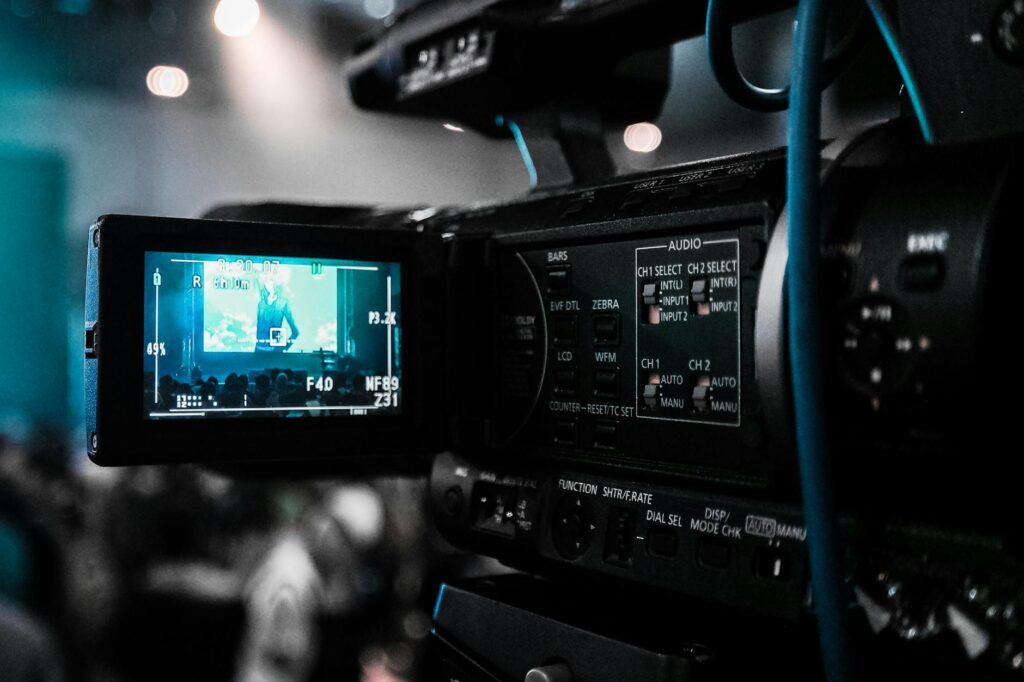
Video & Audio: Mastering Your Digital Content
In the dynamic world of digital communication, the synergy between video & audio forms the bedrock of compelling content. Whether you’re a seasoned creator or just starting, understanding how to effectively harness these powerful mediums can significantly elevate your online presence. This isn’t just about uploading a video or recording a quick podcast; it’s about strategic creation, meticulous optimization, and genuine audience engagement. From YouTube vlogs to professional corporate videos and immersive podcasts, mastering video and audio production and distribution is no longer a niche skill but a fundamental requirement for success in 2026. (Source: nad.org)
Latest Update (April 2026): The landscape of audio technology continues to evolve rapidly. For instance, Ross Video recently expanded its portfolio by acquiring LAMA, integrating advanced cloud-based audio mixing capabilities into its offerings, as reported by Ross Video and Panorama Audiovisual in September 2025. This move highlights the growing importance of flexible, cloud-enabled solutions in professional audio production.
For years, the most impactful strategies in digital content have revolved around high-quality video and audio. Data consistently shows that users engage more deeply with multimedia content, spending more time on pages featuring video and having higher recall rates for audio-visual information. This guide will break down the essential elements of video & audio content that resonate with audiences and search engines alike.
Understanding Video & Audio Synergy
The power of video & audio lies in their combined ability to tell stories, convey complex information, and evoke emotion more effectively than text alone. Video captures attention visually, while audio provides depth, nuance, and personality. When these elements are harmonized, they create an immersive experience that captivates audiences and drives deeper connections.
Consider a product demonstration. A video can show the product in action, highlighting its features and benefits. However, without clear, crisp audio explaining those features, the visual impact is diminished. Similarly, a compelling narrative in a documentary benefits immensely from high-quality sound design and clear narration. The interplay between sight and sound is what makes multimedia content so potent for communication and marketing.
Crafting Compelling Video Content
Creating effective video content starts with a clear objective and a well-defined target audience. What message do you want to convey? Who are you trying to reach? Answering these questions will guide your content strategy, from the script to the visuals.
Storytelling is paramount. Even in a short explainer video, a narrative arc—a beginning, middle, and end—helps viewers follow along and retain information. Focus on visual quality: good lighting, stable camera work, and relevant B-roll footage can make a significant difference. Investing time in planning the visual sequence before shooting saves countless hours in editing and improves the final product dramatically.
When planning your visuals, think about the platform. A video for TikTok will have a different pacing and visual style than one for a corporate training module. Understanding these nuances ensures your content lands effectively with the intended audience.
Elevating Your Audio Production
Often overlooked, audio quality is as critical as video quality, if not more so. Poor audio can instantly disengage viewers and listeners, regardless of how visually stunning the content is. If the voice is muffled, full of background noise, or has excessive echo, you’re likely to lose your audience.
Investing in a decent external microphone is one of the most impactful upgrades you can make. According to recent reviews, high-quality microphones significantly improve sound clarity. Experiment with microphone placement and consider your recording environment. Minimizing background noise by recording in a quiet space, or even using simple acoustic treatments, can vastly improve sound clarity. Based on expert recommendations for 2026, utilizing tools like the best studio monitors and studio headphones can also greatly enhance the mixing and recording process, ensuring professional-sounding results.
For spoken-word content like podcasts or voiceovers, enunciation and pacing are key. Practice your delivery, and consider hiring a voice actor if your budget allows and your own voice isn’t suited for the role. The goal is to make listening effortless and enjoyable for your audience.
Optimizing Video & Audio for Search
To ensure your video and audio content is discoverable, you must optimize it for search engines. This involves a strategic approach to metadata, transcripts, and platform-specific best practices.
Video SEO: For videos hosted on platforms like YouTube, titles, descriptions, and tags are crucial. Use your target keywords naturally within these elements. High-quality thumbnails are also vital for click-through rates. Adding captions or providing a transcript allows search engines to index this text, making your video content more accessible and discoverable.
Audio SEO: For podcasts, detailed show notes are essential. Write show notes that include relevant keywords, summaries, and links to resources mentioned. Submitting your podcast to major directories like Apple Podcasts, Spotify, and Google Podcasts is a standard practice. Transcripts for audio content can also significantly boost SEO, allowing search engines to understand the content of your episodes.
Important: While keyword density is considered for SEO, avoid stuffing keywords unnaturally. Search engines prioritize user experience, and overly optimized content can be penalized. Aim for natural language that clearly communicates the topic of your video or audio.
Strategies for Audience Engagement
Creating great content is only half the battle; keeping your audience engaged is where true success lies. This involves fostering a community around your content.
Encourage Interaction: Ask questions in your videos and podcasts, and actively respond to comments. Run polls, Q&A sessions, and live streams to create a sense of community. For YouTube, utilize features like end screens and cards to guide viewers to more content or related resources.
Consistent Publishing: Maintain a regular publishing schedule so your audience knows when to expect new content. This builds anticipation and loyalty. Whether it’s weekly episodes or bi-weekly videos, consistency is key.
Cross-Promotion: Promote your video content on your audio platforms and vice-versa. Share clips, audiograms, and behind-the-scenes content across different social media channels to reach a wider audience.
Essential Tools for Video & Audio Production (2026)
The right tools can make a significant difference in the quality and efficiency of your content creation. Based on industry trends and user reviews for 2026:
- Video Editing Software: Adobe Premiere Pro, Final Cut Pro (for Mac), and DaVinci Resolve (free version available) are popular choices for professional editing. For simpler needs, tools like CapCut or iMovie are accessible.
- Audio Editing Software (DAWs): Audacity (free), Adobe Audition, and Logic Pro X (for Mac) are widely used for recording and editing audio.
- Microphones: For voiceovers and podcasts, consider USB microphones like the Blue Yeti or Rode NT-USB Mini for ease of use, or XLR microphones like the Shure SM58 or Rode NT1-A for higher quality (requiring an audio interface).
- Cameras: Smartphones with advanced camera capabilities are increasingly sufficient for many creators. For higher production value, consider mirrorless cameras like the Sony Alpha series or Canon EOS R series.
- Lighting: Ring lights and LED panels offer versatile lighting solutions for interviews and product shots.
Frequently Asked Questions
What is the most important factor for good audio quality?
The most critical factor for good audio quality is minimizing background noise and ensuring clear vocal presence. Investing in a decent external microphone and recording in a quiet environment are key steps.
How often should I publish video and audio content?
Consistency is more important than frequency. Establishing a regular publishing schedule that you can maintain, whether it’s daily, weekly, or bi-weekly, helps build audience loyalty and expectation.
Can I use my smartphone for professional video and audio?
Yes, modern smartphones have advanced cameras and microphones capable of producing high-quality content, especially for social media. For more professional results, consider external microphones and basic lighting setups.
What are audiograms and why are they useful?
Audiograms are short, shareable videos that visualize an audio clip, often with a waveform and background image. They are useful for promoting podcast episodes or audio snippets on social media platforms where video performs well.
How do cloud-based audio mixing solutions benefit creators?
Cloud-based audio mixing solutions, like those being integrated by companies such as Ross Video following their acquisition of LAMA, offer flexibility and accessibility. They allow for remote collaboration and easier management of audio assets, making professional mixing more attainable for a wider range of creators.
Conclusion
Mastering video and audio content in 2026 is essential for anyone looking to make an impact online. By focusing on the synergy between visual and auditory elements, crafting compelling narratives, prioritizing quality production, optimizing for search, and actively engaging your audience, you can create content that not only captures attention but also builds lasting connections. The tools and technologies are more accessible than ever, making this an opportune time to refine your digital content strategy.