
What is 437 Area Code? Your Complete Guide
Ever seen a call from an unfamiliar number and wondered, “What is 437 area code?” You’re not alone. In our hyper-connected world, unexpected area codes popping up on caller ID are common. This particular code might seem new or unusual to some, but it plays a significant role in the telephone numbering system for a specific part of North America. Understanding its origin and coverage can save you time, prevent confusion, and even help you spot potential scams. (Source: cnac.ca)
Let’s dive deep into what the 437 area code signifies, where it’s located, and why you might be seeing it on your phone.
Latest Update (April 2026)
As of April 2026, the 437 area code continues to serve as an essential overlay for the Greater Toronto Area. Recent reports indicate ongoing discussions within the North American Numbering Plan Administrator (NANPA) about potential future area code needs in densely populated regions, though no immediate changes are announced for the 437, 416, or 647 territories. As reported by blogTO, the introduction of new area codes in Toronto is a recurring event driven by demand, with 437 being a relatively recent addition to ensure sufficient phone numbers. According to cp24.com, residents in the Toronto area have become accustomed to the 10-digit dialing requirement necessitated by these overlays, a practice reinforced with the introduction of new codes.
What is 437 Area Code?
The 437 area code is a telephone numbering plan code that serves a specific geographic region in North America. It’s not a standalone code but rather an overlay code, meaning it shares its geographic territory with other existing area codes. This is a common practice to ensure enough phone numbers are available as demand grows. Essentially, when you receive a call from a number starting with 437, it originates from the same geographic area as calls from its ‘parent’ codes. The primary purpose of such overlays is to alleviate the exhaustion of available prefixes (the first three digits after the area code) within a given region.
Where is 437 Area Code Located?
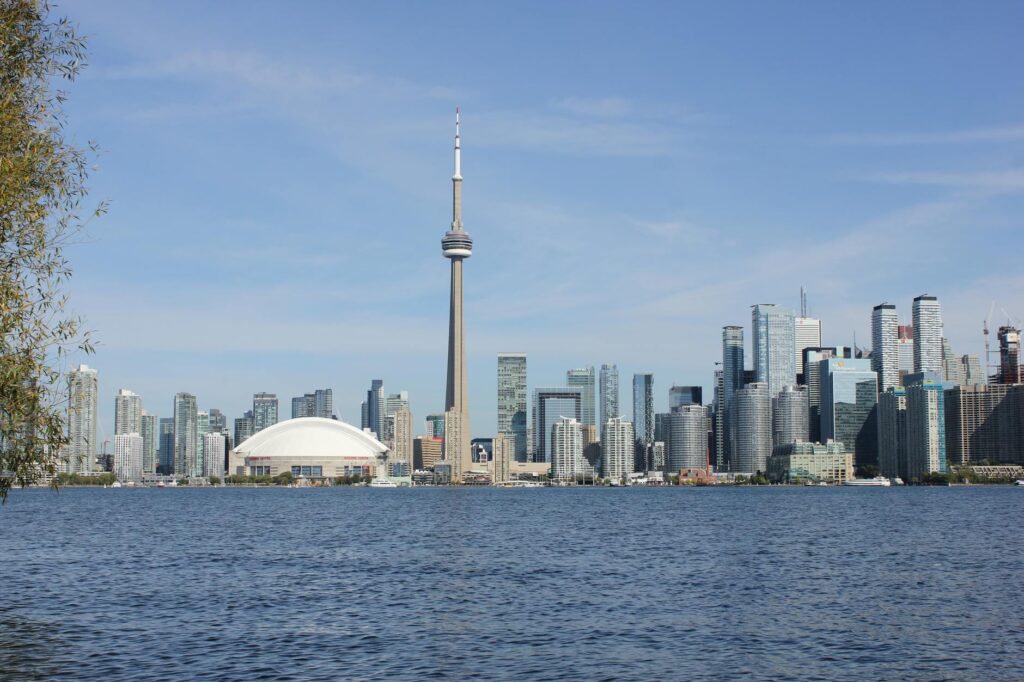
The 437 area code is an overlay for the 416, 647, and 647 area codes. This means it serves the same geographic area as these codes, which is primarily Toronto, Ontario, Canada, and its immediate surrounding municipalities. When the 416 area code began to run out of available numbers, the 647 area code was introduced as an overlay. As demand continued to rise in the bustling metropolis of Toronto, 437 was subsequently introduced as another overlay to further expand the pool of available phone numbers within the same service region. This means a phone number with the 437 area code could belong to someone living in downtown Toronto, North York, Scarborough, Etobicoke, or other parts of the Greater Toronto Area (GTA). It does not indicate a separate, new geographic territory.
The History and Evolution of 437
The North American Numbering Plan (NANP), which governs telephone numbering in Canada, the United States, and several Caribbean countries, has evolved significantly over the decades. Area codes were initially designed to cover large geographic regions. However, with the explosion of mobile phones, fax machines, and the internet, the demand for unique phone numbers skyrocketed. The 416 area code was one of the original area codes created in 1947. It served the entire Toronto region for many years. As Toronto grew into a major global city, the 416 code became exhausted. To address this, 647 was introduced in 2001 as an overlay. Later, in 2013, the 437 area code was introduced for the same reasons, further expanding the numbering capacity within the established 416/647 territory. This strategy of adding overlay codes is a way to extend the life of existing geographic area codes without splitting them into new, smaller territories, which can be confusing for residents and businesses.
Important: Area code overlays mean that you must dial all 10 digits (area code + 7-digit number) for local calls, even if you are calling within the same geographic area. This is a critical change implemented with overlay codes to differentiate between the various area codes serving the same region.
According to NANPA reports, as of 2023, the NANP has over 400 area codes in service, with many more in planning. The introduction of overlay codes has been instrumental in managing the demand for telephone numbers.
Understanding Area Code Overlays
Area code overlays are a crucial part of modern telecommunications. Instead of splitting a geographic area into multiple codes (which can lead to number changes for existing users), an overlay adds a new area code that covers the same geographic region as one or more existing codes. This provides additional phone numbers without disrupting the existing numbering structure or forcing people to change their numbers. The process is managed by the Numbering Plan Administrator (NPA). When an existing area code is projected to run out of available prefixes, the NPA identifies the need for more numbers. An overlay is often chosen because it’s less disruptive than a geographic split. The downside is that callers must remember to dial the full 10-digit number, including the area code, for all local calls.
For the 437 area code, this means any call made within the Toronto region, whether it’s from a 416, 647, or 437 number, requires dialing all 10 digits. This ensures the correct routing of calls to the intended area code.
How to Identify Calls from 437 Area Code
Identifying a call from the 437 area code is straightforward thanks to your phone’s caller ID. When a call comes in, the display typically shows the incoming number, including the area code. If you see “437” at the beginning of the number, you know it’s originating from the Toronto, Ontario, area. However, simply knowing the area code doesn’t tell you who is calling. It could be a friend, a business, a telemarketer, or a scammer. The key takeaway is to always be cautious with unknown numbers.
Is 437 Area Code a Scam? Potential Red Flags
While the 437 area code itself is legitimate and serves the Greater Toronto Area, it’s important to be aware that scammers can spoof any area code, including 437. Therefore, receiving a call from this area code doesn’t automatically mean it’s a scam, nor does it guarantee legitimacy. Users report that common scam tactics include:
- Urgent requests for personal information (like SIN, bank details, or passwords).
- Threats of legal action or account suspension.
- Offers that seem too good to be true.
- Requests for payment via unusual methods (gift cards, wire transfers).
Always be skeptical if a caller from an unknown number pressures you for immediate action or sensitive data. As reported by Global News, new area codes can sometimes cause initial confusion, which scammers may try to exploit.
Benefits of Knowing Area Code Origins
Understanding area code origins, like that of 437, offers several benefits:
- Reduced Risk of Scams: Familiarity with legitimate area codes helps in identifying potentially fraudulent calls.
- Better Call Management: Knowing the general location of a caller can help prioritize or filter calls.
- Informed Decisions: Whether it’s a business call or a personal contact, context is key.
- Avoiding Confusion: Understanding overlays prevents misunderstandings about local calling areas and dialing procedures.
Important Note on Number Portability
It’s essential to remember that with number portability, a person or business can keep their phone number even if they move to a different geographic area. This means a number with the 437 area code might not necessarily indicate the caller is physically located within the GTA at that exact moment. However, the number was originally assigned within that numbering plan area.
Frequently Asked Questions about 437 Area Code
Is 437 a Canadian or US area code?
The 437 area code is a Canadian area code, specifically serving the Greater Toronto Area in Ontario, Canada.
Do I need to dial 10 digits for calls within the 437 area code?
Yes. As an overlay code, all calls within the 416, 647, and 437 service region require 10-digit dialing (area code + 7-digit number), even for local calls.
Can 437 area code calls be scams?
Yes, like any area code, calls from 437 can be spoofed by scammers. It’s crucial to be cautious and verify the caller’s identity if you receive an unsolicited call.
When was the 437 area code introduced?
The 437 area code was introduced in 2013 as an overlay to meet the growing demand for phone numbers in the Toronto area.
If I receive a call from 437, does it mean the person is in Toronto?
Not necessarily. Due to number portability, individuals can retain their numbers even if they relocate. However, the number was originally assigned within the 437 area code’s geographic service territory.
Taking Control of Your Phone Calls
Understanding area codes like 437 empowers you to manage your communications more effectively. By staying informed about how telephone numbering works and recognizing potential red flags, you can protect yourself from scams and reduce the confusion often associated with unfamiliar numbers. Always prioritize verifying the identity of unknown callers before sharing any personal information or committing to any actions.
Conclusion
The 437 area code is an integral part of the telephone numbering system for the Greater Toronto Area, functioning as an overlay to ensure sufficient phone numbers. It shares its geographic region with area codes 416 and 647, requiring 10-digit dialing for all local calls within this zone. While the code itself is legitimate, awareness of potential scam tactics that spoof any area code is paramount. By understanding its origin, location, and the implications of overlay codes, you can navigate your calls with greater confidence and security in 2026.