
What is Solar Energy and How Does it Work? A Beginner’s Guide
Solar energy is the conversion of sunlight into usable electricity or heat. It works by capturing photons from the sun, which then energize electrons in photovoltaic cells to create a direct current. This process offers a clean, sustainable way to power our lives.
For decades, the sun has been a source of power, but only recently has technology made it practical for everyday use in homes and businesses. Understanding what solar energy is and how it works can empower you to make informed decisions about your energy consumption and potential adoption of this clean technology.
Table of Contents
- What is Solar Energy?
- How Do Solar Panels Convert Sunlight into Electricity?
- What Are the Key Components of a Solar Energy System?
- The Step-by-Step Process of Solar Energy Generation
- What Are the Different Types of Solar Energy Systems?
- Practical Tips for Understanding and Using Solar Energy
- Frequently Asked Questions
What is Solar Energy?
Solar energy is essentially energy that comes directly from the sun. It’s a form of renewable energy, meaning it’s naturally replenished and won’t run out. We can harness this energy in two main ways: for electricity generation (photovoltaics) or for heating water and air (solar thermal).
The concept is simple: the sun emits vast amounts of radiation, including light and heat. Solar technologies capture this radiation and transform it into forms we can use. This transformation is a marvel of physics and engineering, making solar power a cornerstone of sustainable energy efforts worldwide.
How Do Solar Panels Convert Sunlight into Electricity?
Solar panels convert sunlight into electricity through a process called the photovoltaic effect. This effect occurs when light particles, called photons, strike a semiconductor material (typically silicon) within solar cells. When photons hit these cells, they knock electrons loose from their atoms.
These freed electrons are then directed to flow in a specific direction, creating an electric current. This direct current (DC) electricity is the fundamental output of a solar panel. It’s the same type of electricity that comes from batteries, but it’s generated continuously as long as sunlight is available.
What Are the Key Components of a Solar Energy System?
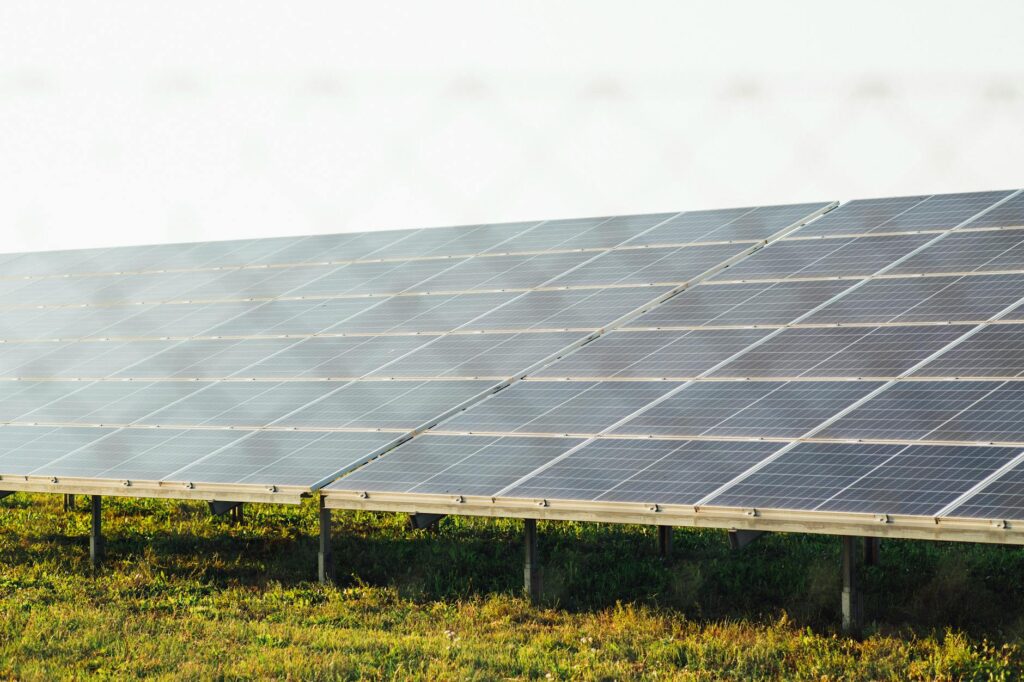
A typical home solar energy system involves several key components working together. The most visible are the solar panels themselves, installed on your roof or in a sunny location. These panels are made up of many smaller solar cells connected together.
Beyond the panels, an inverter is crucial. It converts the DC electricity produced by the panels into alternating current (AC) electricity, which is the type used by most household appliances and the electrical grid. You might also have a mounting system to secure the panels, wiring, and potentially a battery storage system to save excess energy for later use.
The Step-by-Step Process of Solar Energy Generation
The journey of sunlight to usable power involves a clear sequence of events. First, sunlight (photons) strikes the photovoltaic cells within the solar panels. This impact excites electrons in the silicon material, causing them to break free from their atoms.
Next, an internal electric field within the solar cell forces these freed electrons to flow in a directed path, creating a direct current (DC) of electricity. This DC electricity then travels through wires to an inverter. The inverter’s job is to transform this DC power into alternating current (AC) power, which is compatible with your home’s electrical system and the utility grid. Finally, this AC electricity powers your home, and any excess can be sent back to the grid or stored in batteries.
The average solar irradiance in the contiguous United States is about 4-5 kilowatt-hours per square meter per day. This means, on average, each square meter of land receives enough solar energy daily to power several modern appliances for a short time. (Source: National Renewable Energy Laboratory – NREL)
What Are the Different Types of Solar Energy Systems?
Solar energy systems can be broadly categorized into two main types: grid-tied and off-grid. Grid-tied systems are connected to the public utility grid. When your solar panels produce more electricity than you need, the excess is sent back to the grid, often earning you credits on your electricity bill. If you need more power than your panels are generating (e.g., at night or on a cloudy day), you draw electricity from the grid.
Off-grid systems, on the other hand, are not connected to the utility grid. These systems rely entirely on solar panels and battery storage to meet all of your energy needs. They are common in remote areas where grid connection is impractical or too expensive. Hybrid systems combine elements of both, offering grid connection with battery backup for resilience.
| System Type | Connection to Grid | Battery Storage | Best For |
|---|---|---|---|
| Grid-Tied | Yes | Optional | Most homes seeking to reduce electricity bills |
| Off-Grid | No | Essential | Remote locations, cabins, RVs |
| Hybrid | Yes | Essential | Homes seeking energy independence and backup power |
Practical Tips for Understanding and Using Solar Energy
When considering solar energy for your home, start by assessing your energy needs. Look at your past electricity bills to understand your average monthly consumption in kilowatt-hours (kWh). This will help you determine the size of solar system you might need.
Next, research local solar installers and get multiple quotes. Look for companies with good reviews and certifications. Understand the warranties offered on panels, inverters, and installation. Also, investigate any local, state, or federal incentives, such as tax credits or rebates, which can significantly reduce the upfront cost of a solar installation. For instance, the Solar Investment Tax Credit (ITC) in the United States has historically provided a significant deduction for homeowners.
Don’t forget to consider your roof’s condition and orientation. A south-facing roof in the Northern Hemisphere generally receives the most sunlight, but east and west-facing roofs can also be effective. Ensure your roof is in good condition, as solar panels are a long-term investment and you don’t want to remove them for roof repairs later.
Frequently Asked Questions
What is the main benefit of solar energy?
The primary benefit of solar energy is its sustainability and environmental friendliness. It produces electricity without emitting greenhouse gases, helping to combat climate change. It also offers long-term cost savings on electricity bills and can increase property value.
How much does a solar panel system cost?
The cost of a solar panel system varies widely depending on the size of the system, the quality of the components, and your location. However, prices have fallen dramatically over the past decade, making solar more accessible. Many homeowners find that incentives and long-term savings offset the initial investment.
How long do solar panels last?
Most solar panels are designed to last for 25 to 30 years or more. Manufacturers typically offer performance warranties guaranteeing a certain level of energy output over this period, often around 80-90% of their original capacity.
Can solar energy power my home at night?
Solar panels only generate electricity when the sun is shining. To power your home at night, you would need a solar energy system that includes battery storage to save excess energy generated during the day, or you would draw power from the utility grid.
What is solar irradiance?
Solar irradiance is the measure of the power of sunlight that reaches a specific area. It’s typically measured in watts per square meter (W/m²). Higher solar irradiance means more sunlight is available, leading to greater electricity production from solar panels.
Understanding what solar energy is and how it works is the first step toward embracing a cleaner, more sustainable future. By harnessing the power of the sun, you can contribute to a healthier planet and potentially reduce your household energy expenses.