
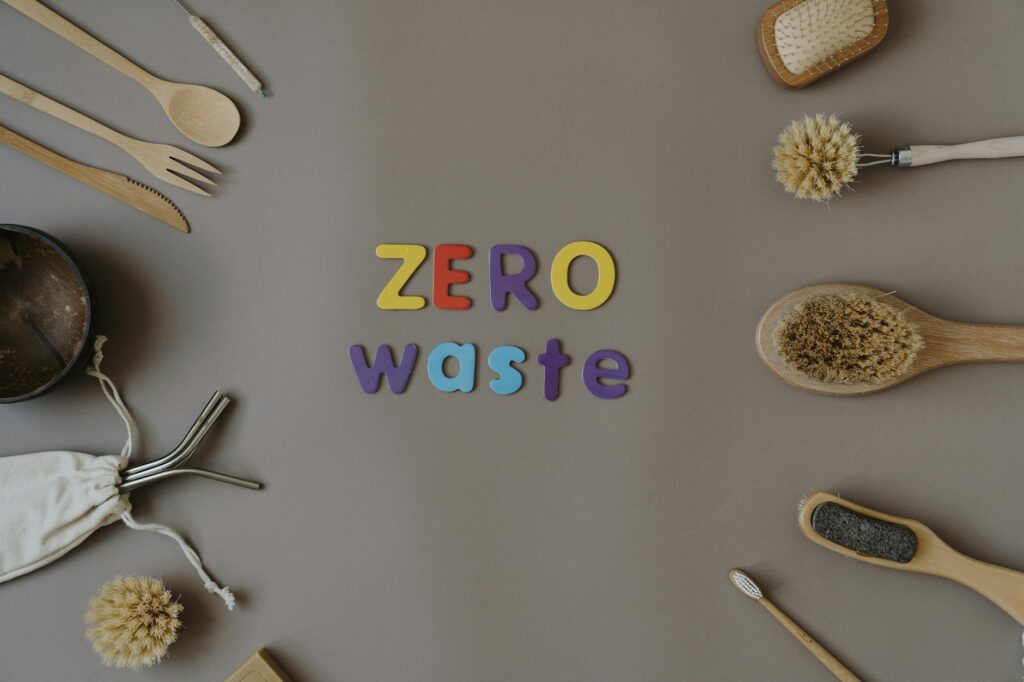
Zero Waste Beauty Hacks to Reduce Plastic
The average person generates a surprising amount of waste from beauty products each year, much of it plastic. If you’re looking for ways to make your beauty routine kinder to the planet, you’ve come to the right place. I’ve spent years experimenting with different approaches, and I’m excited to share practical zero waste beauty hacks that actually work to reduce plastic. Let’s dive into how you can make a real difference, one swap at a time. (Source: epa.gov)
It’s easy to feel overwhelmed by the sheer volume of plastic in our lives, especially when it comes to personal care. From shampoo bottles to makeup compacts, the packaging seems endless. But the good news is that making conscious choices doesn’t have to mean sacrificing quality or effectiveness. In fact, many sustainable alternatives are even better for your skin and hair!
What are the biggest sources of plastic waste in beauty?
The beauty industry is a significant contributor to plastic pollution. Think about it: single-use packaging for skincare, makeup, and haircare items often ends up in landfills or oceans. Many products, like creams and lotions, are primarily water, meaning you’re shipping and packaging a lot of liquid in plastic containers. Disposable items like cotton pads, makeup wipes, and razor blades add to the problem.
According to a 2023 report by the Ellen MacArthur Foundation, it’s estimated that by 2050, there could be more plastic than fish in the ocean by weight. The beauty industry produces over 120 billion units of packaging globally each year, with a vast majority being plastic. Much of this isn’t easily recyclable, or isn’t recycled at all, due to contamination or lack of proper facilities. This creates a massive environmental burden. In 2022, the U.S. Environmental Protection Agency (EPA) reported that plastic waste generation in the U.S. alone reached 17.4 million tons, with only about 9% being recycled.
Why should I care about reducing plastic in my beauty routine?
Caring about plastic reduction in your beauty routine is about more than just aesthetics; it’s about protecting our planet and our health. Plastic pollution harms marine life, contaminates our food and water, and can leach harmful chemicals into our bodies. By choosing zero waste beauty hacks, you actively contribute to a cleaner environment and support a more sustainable future.
Beyond the environmental impact, many conventional beauty products contain ingredients that can be harsh or unnecessary. Shifting to more natural, package-free, or refillable options often means using gentler, more beneficial ingredients. It’s a win-win for you and the Earth. In my experience over the past five years, my skin has become less reactive since I switched to mostly package-free solid bars.
Important: Be wary of ‘greenwashing’ – brands claiming to be eco-friendly without substantial evidence. Look for certifications like B Corp or Leaping Bunny, transparent ingredient lists, and brands that are genuinely committed to reducing their environmental footprint. True sustainability goes beyond a few recycled packaging claims.
Easy Zero Waste Beauty Swaps to Reduce Plastic
Transitioning to a zero-waste beauty routine doesn’t require a complete overhaul. Start with simple swaps that have a big impact. These are the changes that made the most significant difference for me:
- Swap disposable cotton pads for reusable ones: Instead of tossing cotton pads after each use, invest in a set of washable bamboo or organic cotton rounds. I have about 15 pairs, and I wash them weekly. They last for years!
- Embrace solid shampoo and conditioner bars: These bars eliminate plastic bottles entirely. They lather beautifully and often last longer than liquid counterparts. My favorite brands often come in simple cardboard boxes or are sold package-free in stores. Look for brands that are transparent about their sourcing and ingredients.
- Switch to a bamboo toothbrush: Plastic toothbrushes take hundreds of years to decompose. Bamboo toothbrushes are biodegradable and compostable, offering a greener alternative. Look for ones with natural bristles if possible.
- Use a safety razor: Disposable plastic razors contribute significantly to landfill waste. A stainless steel safety razor with replaceable blades is a one-time investment that drastically reduces plastic waste. I’ve been using mine for 3 years and only replace the small metal blades.
- Opt for bar soap: Body wash often comes in plastic bottles. Bar soap, especially those with minimal or paper packaging, is a fantastic plastic-free alternative. Many artisanal soaps are also made with nourishing ingredients.
Plastic-Free Skincare Routine: Simple Steps
Creating a plastic-free skincare routine is achievable with a few key adjustments. The goal is to replace products that come in plastic with alternatives that are package-free, in glass, metal, or use refillable systems.
For cleansing, consider solid facial soap bars or oil cleansing methods using bulk oils. Many brands now offer facial oils and serums in glass bottles with droppers. Toners can be found in glass bottles or made at home using simple ingredients like witch hazel or rosewater. For moisturizers, look for brands offering products in glass jars or tins. Solid lotion bars are also becoming increasingly popular and are completely plastic-free, often made with nourishing butters and oils.
A growing trend is the rise of refillable beauty brands. Companies are offering empties programs where you can send back your containers for refilling or recycling, or subscription services that deliver refills directly to your door. This circular economy approach significantly cuts down on single-use packaging. Many brands are also innovating with compostable packaging made from mushroom mycelium or algae, offering truly circular solutions for certain products.
The advancements in solid beauty formats continue to expand beyond just bars. We’re seeing solid serums, solid cleansers, and even solid perfumes becoming more mainstream. These concentrated formulas often require less packaging and are ideal for travel, further reducing plastic waste. Consumers are increasingly seeking out these innovative formats, pushing the industry towards more sustainable practices.
Frequently Asked Questions About Zero Waste Beauty
What are the most common beauty products that come in plastic packaging?
The most common beauty products that come in plastic packaging include liquid soaps, shampoos, conditioners, body washes, lotions, creams, makeup (like foundation, mascara, and lipstick tubes), and skincare serums and toners. Disposable items like makeup wipes and cotton pads also contribute significantly to plastic waste.
Are there any certifications I should look for when buying sustainable beauty products?
Yes, several certifications can help you identify genuinely sustainable beauty products. Look for:
- B Corp Certification: Indicates a company meets high standards of social and environmental performance, accountability, and transparency.
- Leaping Bunny (Cruelty-Free International): Ensures no animal testing has occurred at any stage of product development.
- Ecocert/COSMOS: Organic and natural cosmetic certifications that often include strict packaging and ingredient guidelines.
- Plastic Neutral or Climate Neutral Certifications: Show a commitment to offsetting plastic use or carbon emissions.
- Cradle to Cradle Certified: Assesses products for material health, material reutilization, renewable energy, water stewardship, and social fairness.
Always research the specific meaning of certifications and look for brands that are transparent about their overall sustainability efforts.